
Understanding the Principles of Modern Landscape Design
How to Design a Modern Front Landscape That Complements Your Exterior – Modern landscape design emphasizes clean lines, geometric shapes, and a minimalist approach. It prioritizes functionality and sustainability over excessive ornamentation. Understanding these principles is crucial before diving into specific modern front landscape ideas.
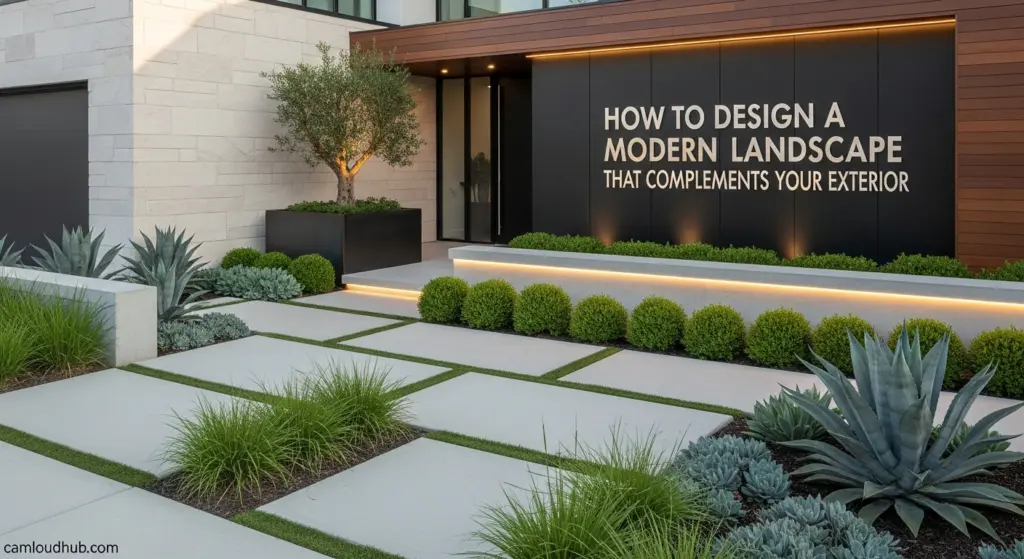
In contrast to traditional, heavily planted gardens, modern landscapes often feature more hardscaping elements such as concrete pavers, metal accents, and gravel pathways. These elements provide structure and visual interest while reducing the amount of maintenance required. Greenery is still vital, but it is typically used strategically, focusing on plants with strong architectural shapes and textures. Symmetry and asymmetry are both employed, often in unexpected ways, to create visual tension and interest. The key is to create a cohesive design that feels both intentional and effortless.
Analyzing Your Existing Landscape and Home Exterior
Before implementing any modern front landscape ideas, carefully analyze your existing landscape and the architectural style of your home. Consider the existing plant life, the amount of sunlight the area receives, and the soil conditions.
- Home’s Architectural Style: Is your home a mid-century modern ranch, a contemporary farmhouse, or a sleek urban townhouse? Your landscape design should complement, not clash with, the existing architecture.
- Sunlight Exposure: Note which areas receive full sun, partial shade, or full shade. This will greatly influence the types of plants that will thrive in your landscape.
- Soil Conditions: Test your soil to determine its pH level and nutrient content. This will help you select plants that are well-suited to your local environment.
- Existing Features: Evaluate any existing trees, shrubs, or hardscaping features that you might want to incorporate into your new design. Removing mature trees can be costly and time-consuming, so consider working around them if possible.
Key Elements of a Modern Front Landscape
Several key elements contribute to a successful modern front landscape. These include hardscaping, softscaping, focal points, and lighting. Careful consideration of each element is crucial for creating a cohesive and visually appealing design.
Hardscaping: Creating Structure and Definition
Hardscaping refers to the non-plant elements of your landscape, such as pathways, patios, walls, and water features. In modern landscape design, hardscaping plays a central role in defining spaces and creating structure.
- Pathways: Opt for clean, straight pathways made of concrete, pavers, or gravel. Consider using large-format pavers for a modern look. The pathway material should complement the color and style of your home’s exterior. Wide pathways encourage leisurely strolls and enhance the overall sense of spaciousness.
- Walls and Fences: Use low walls or fences to define boundaries and create privacy. Concrete block, stacked stone, or metal panels are all excellent choices for modern landscapes. Ensure the height and style of the walls are appropriate for your neighborhood and local regulations.
- Patios and Decks: Incorporate a small patio or deck near the front entrance to create an inviting outdoor living space. Choose materials that are durable and weather-resistant, such as composite decking or concrete pavers. A simple seating area with comfortable chairs can transform your front yard into a welcoming gathering spot.
- Water Features: A water feature can add a touch of tranquility and sophistication to your modern front landscape. Consider a minimalist fountain, a reflecting pool, or a small waterfall. Ensure the water feature is appropriately sized for your yard and easy to maintain.
Softscaping: Integrating Greenery and Texture
Softscaping refers to the plant elements of your landscape, including trees, shrubs, flowers, and groundcovers. In modern landscape design, softscaping is used strategically to add greenery, texture, and visual interest.
- Trees: Select trees with strong architectural shapes and interesting bark textures. Japanese maples, columnar evergreens, and ornamental grasses are all popular choices for modern landscapes. Consider the mature size of the trees and ensure they won’t obstruct views or interfere with overhead power lines.
- Shrubs: Use shrubs to create hedges, borders, or focal points. Boxwoods, hydrangeas, and ornamental grasses are all excellent options for modern landscapes. Choose shrubs that are low-maintenance and drought-tolerant. Group plants in odd numbers for a more natural and visually appealing look.
- Flowers: Add pops of color with carefully selected flowers. Coneflowers, lavender, and salvia are all popular choices for modern landscapes. Choose flowers that bloom at different times of the year to ensure continuous color throughout the seasons. Consider using native plants to attract pollinators and support local ecosystems.
- Groundcovers: Use groundcovers to fill in gaps between plants and suppress weeds. Creeping thyme, sedum, and dichondra are all excellent choices for modern landscapes. Choose groundcovers that are low-maintenance and drought-tolerant. Avoid invasive species that can spread aggressively.
Focal Points: Drawing the Eye and Creating Interest
A focal point is a central element that draws the eye and creates visual interest in your landscape. Focal points can be natural features, such as a striking tree or a beautiful rock formation, or man-made features, such as a sculpture or a water feature.
- Architectural Elements: Use architectural elements, such as a unique mailbox, a stylish gate, or an interesting front door, as focal points. Ensure these elements complement the style of your home and landscape.
- Sculptures: Incorporate a modern sculpture or art installation to add a touch of sophistication and personality to your landscape. Choose a sculpture that is weather-resistant and appropriately sized for your yard.
- Statement Plants: Use a particularly striking plant, such as a large agave or a sculptural Japanese maple, as a focal point. Plant it in a prominent location where it will be easily visible.
- Water Features: As mentioned earlier, water features can also serve as excellent focal points. The sound of running water can create a calming and relaxing atmosphere.
Lighting: Enhancing Beauty and Security
Outdoor lighting is an essential element of any landscape design. It enhances the beauty of your landscape, improves safety and security, and extends the usability of your outdoor spaces.
- Path Lighting: Use path lighting to illuminate walkways and steps, making them safer to navigate at night. Choose low-voltage LED lights for energy efficiency and long life.
- Accent Lighting: Use accent lighting to highlight architectural features, sculptures, or plants. Consider using spotlights, floodlights, or up-lights to create dramatic effects.
- Security Lighting: Install motion-sensor security lights to deter intruders and improve safety. Ensure the lights are properly aimed to avoid light pollution.
- String Lights: Hang string lights on trees, fences, or pergolas to create a festive and inviting atmosphere. Choose LED string lights with warm white bulbs for a soft and romantic glow.
Modern Front Landscape Ideas: Inspiration and Examples
Now that we’ve covered the key elements of modern landscape design, let’s explore some specific modern front landscape ideas for inspiration.
The Minimalist Approach
This approach emphasizes simplicity and functionality. It features clean lines, geometric shapes, and a limited color palette.
- Key Features: Concrete pathways, gravel beds, minimalist plantings (such as ornamental grasses and succulents), and subtle lighting.
- Plant Palette: Focus on drought-tolerant plants with strong architectural shapes, such as agave, yucca, and sedum.
- Hardscaping Materials: Use concrete, steel, and gravel to create a clean and contemporary look.
- Example: A front yard featuring a wide concrete pathway leading to the front door, flanked by beds of ornamental grasses and a few strategically placed boulders. A minimalist water feature, such as a small reflecting pool, could further enhance the design.
The Mid-Century Modern Revival
This style draws inspiration from the landscape designs of the mid-20th century. It features a mix of hardscaping and softscaping, with an emphasis on bold colors and geometric shapes.
- Key Features: Exposed aggregate concrete, patterned pavers, kidney-shaped planting beds, and iconic mid-century modern furniture.
- Plant Palette: Incorporate plants that were popular in the mid-century, such as mondo grass, Japanese maples, and azaleas.
- Hardscaping Materials: Use concrete, wood, and metal to create a retro-modern vibe.
- Example: A front yard featuring a concrete pathway with exposed aggregate, leading to a brightly colored front door. The pathway is flanked by kidney-shaped planting beds filled with mondo grass and Japanese maples. A retro-modern bench provides a spot to sit and enjoy the view.
The Urban Oasis
This style is perfect for homes in urban environments. It features a mix of hardscaping and softscaping, with an emphasis on creating a private and relaxing retreat.
- Key Features: Vertical gardens, privacy screens, water features, and comfortable outdoor furniture.
- Plant Palette: Incorporate plants that thrive in urban environments, such as ferns, hostas, and climbing vines.
- Hardscaping Materials: Use brick, stone, and wood to create a warm and inviting atmosphere.
- Example: A front yard encased in a tall privacy fence covered with climbing vines. Inside, a small patio is furnished with comfortable seating and a water feature. Vertical gardens add greenery and create a sense of seclusion.
The Sustainable Landscape
This approach prioritizes environmental responsibility. It features native plants, drought-tolerant landscaping, and permeable paving materials.
- Key Features: Rain gardens, permeable pathways, native plants, and compost bins.
- Plant Palette: Focus on native plants that are well-suited to your local climate and soil conditions.
- Hardscaping Materials: Use permeable paving materials, such as gravel or decomposed granite, to reduce runoff.
- Example: A front yard featuring a rain garden that collects rainwater from the roof. The garden is planted with native grasses and wildflowers. A permeable pathway leads to the front door, and a compost bin is tucked away in a discreet corner.
The Drought-Tolerant Dreamscape
This is a fantastic choice if you reside in an area with severe summer droughts. It also fits perfectly if reducing water usage is a priority for you.
- Key Features: Gravel mulch, rock gardens, succulents, cacti, and plants sourced from arid climates.
- Plant Palette: Focus on succulents, cacti, and other xeriscaping plants that thrive in dry conditions.
- Hardscaping Materials: Use rock, gravel, and decomposed granite to create a low-maintenance landscape.
- Example: A front yard featuring a rock garden filled with various succulents and cacti. Gravel mulch covers the ground, and large boulders are used to create visual interest. A water-wise irrigation system minimizes water waste.
Choosing the Right Plants for Your Modern Front Landscape
Selecting the right plants is crucial for the success of your modern front landscape. Consider the following factors when making your selections:
Climate and Soil Conditions
Choose plants that are well-suited to your local climate and soil conditions. Native plants are often the best choice, as they are adapted to the local environment and require less maintenance.
Mature Size and Shape
Consider the mature size and shape of the plants before planting. Ensure they won’t outgrow their space or block views.
Maintenance Requirements
Choose plants that are low-maintenance and easy to care for. Avoid plants that require frequent pruning, fertilizing, or watering.
Visual Appeal
Select plants that are visually appealing and complement the style of your home and landscape. Consider the color, texture, and form of the plants.
Common Mistakes to Avoid in Modern Front Landscape Design
Even with careful planning, it’s easy to make mistakes in modern front landscape design. Here are some common pitfalls to avoid:
Overcrowding Plants
Avoid planting too many plants in a small space. Overcrowding can lead to disease and pest problems, and it can make your landscape look cluttered and unorganized.
Neglecting Hardscaping
Don’t neglect the importance of hardscaping. Hardscaping provides structure and definition to your landscape, and it can also improve functionality.
Using Mismatched Materials
Avoid using mismatched materials that clash with each other. Choose materials that are complementary in color, texture, and style.
Ignoring Maintenance
Don’t ignore the importance of maintenance. Even low-maintenance landscapes require regular care to keep them looking their best.
Forgetting About Lighting
Don’t forget about lighting. Outdoor lighting is essential for enhancing the beauty of your landscape, improving safety and security, and extending the usability of your outdoor spaces.
DIY vs. Hiring Professional Landscapers
Deciding between DIY landscape design and engaging professional landscapers hinges on your skill level, budget, and available time. DIY offers potential cost savings but requires a solid understanding of landscaping principles and construction skills.
Consider the complexity of the project when making your decision. Simple tasks like planting flowers or laying mulch are generally manageable for most homeowners. However, more complex projects involving hardscaping, irrigation, or drainage systems may require the expertise of a professional. A landscaper brings experience, design expertise, and access to specialized equipment that can ensure a successful outcome. Landscaping is a big job and you may require professional help to ensure it’s done properly!
Benefits of DIY Landscaping
- Cost Savings: Eliminating labor costs can significantly reduce the overall project expense.
- Personalization: You have complete control over the design and plant selection, allowing for a truly customized landscape.
- Sense of Accomplishment: Completing a landscaping project yourself can be incredibly rewarding.
Benefits of Hiring Professional Landscapers
- Expertise and Experience: Professionals have the knowledge and experience to design and install a landscape that is both beautiful and functional.
- Time Savings: Landscapers can complete projects much faster than most homeowners.
- Guaranteed Results: Many landscapers offer warranties on their work, providing peace of mind.
- Access to Resources: Professionals often have access to better quality plants and materials.
Maintaining Your Modern Front Landscape
Once your modern front landscape is complete, it’s important to maintain it properly to keep it looking its best. Regular maintenance tasks include:
Watering
Water your plants regularly, especially during dry periods. Water deeply and infrequently to encourage deep root growth.
Fertilizing
Fertilize your plants as needed to provide them with the nutrients they need to thrive. Use a slow-release fertilizer to avoid burning the plants.
Pruning
Prune your plants regularly to maintain their shape and remove dead or diseased branches. Prune at the appropriate time of year for each plant species.
Weeding
Remove weeds regularly to prevent them from competing with your plants for nutrients and water. Use a hoe or hand trowel to remove weeds, or apply a pre-emergent herbicide to prevent weed seeds from germinating.
Mulching
Apply a layer of mulch around your plants to help retain moisture, suppress weeds, and regulate soil temperature. Use organic mulch, such as wood chips or shredded bark, to improve soil fertility.
Pest and Disease Control
Monitor your plants for signs of pests or diseases. Take action promptly to control any problems that arise. Use organic pest control methods whenever possible to minimize the impact on the environment.
Inspiration Gallery: Modern Front Landscape Design
To further inspire you, here is a look at several modern front landscaping ideas to help you with your planning and design choices.
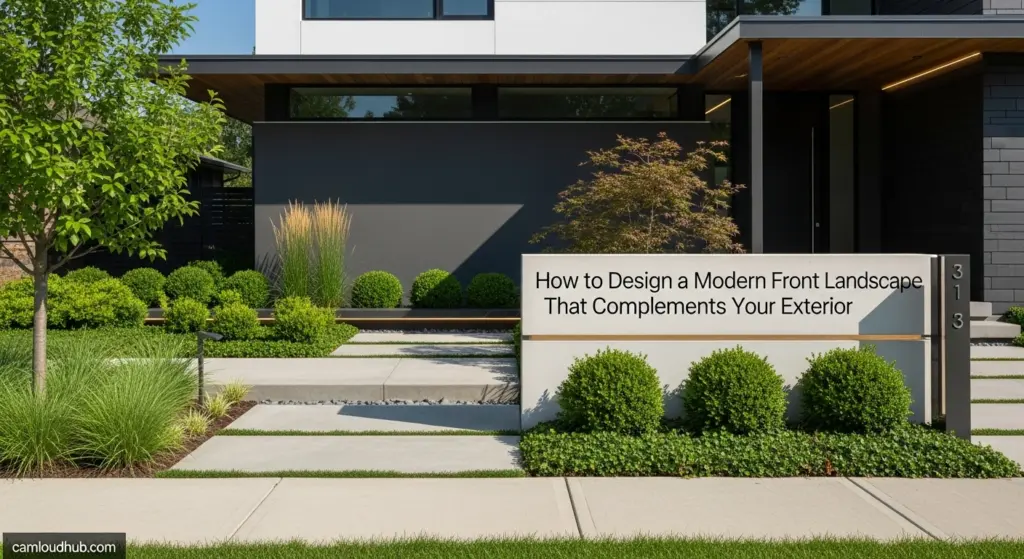
- Geometric Simplicity: This design showcases clean lines using rectangular pavers and minimalist plantings. The focus is on strong shapes with subtle use of texture from ornamental grasses. A steel mailbox and house numbers provide modern accents.
- Mid-Century Oasis: Drawing inspiration from the 50s and 60s, the design features bold shapes and vibrant colors. A brightly painted door paired with an angular planter adds a playful touch, while succulents, Japanese maples, add depth to the landscape.
- Urban Zen Garden: Perfect for constrained city spaces, this design mixes hardscaping and vertical greenery. Bamboo screens create privacy, while a small fountain provides a soothing sound. Potted plants offer flexibility and an easy way to change out the floral display.
- Sustainable Xeriscape: Focused on water conservation, it utilizes native plants, gravel mulch, and artfully placed rocks. A small pathway is constructed from reclaimed materials adding charm and making sure it is water-permeable.
- Contemporary Minimalism: This look is based on sleek concrete pathways, minimal shrubbery, and the strategic use of ambient lighting. It is an eye-catching display emphasizing sleek lines making it bold and minimal.
Integrating Smart Technology into Your Front Landscape
Another facet of modern landscaping involves integrating smart technology to enhance functionality and control. Smart irrigation systems, for instance, utilize weather data and soil sensors to optimize watering schedules. With intuitive apps, you can monitor conditions, manage settings, and ensure efficient water use.
Automated lighting is another valuable addition. Smart lighting systems allow for scheduled on/off, dimming, and even color alteration via your smartphone or voice commands. This capability allows you to create customized outdoor ambiance for various events or add a smart element that contributes to safety by setting up automatic alarms that trigger when there is motion near the front of your home.
Smart Irrigation Systems
These systems monitor moisture levels and adjust watering schedules accordingly. This helps conserve water and prevents overwatering or underwatering your plants.
Smart Lighting Systems
Smart lighting systems can be controlled remotely and programmed to turn on and off at specific times. Many systems also include motion sensors for added security.
Weather Monitoring Systems
Weather stations can track local weather conditions and provide real-time data to optimize irrigation and lighting schedules.
Designing for Different Home Styles
A good landscape design should embrace and improve the primary aesthetics of the house’s facade. Consider the following tips for different home styles:
Modern Farmhouse
Pair this with classic greenery like boxwoods, lavenders, and ornamental grasses. Use gravel paths, wooden accents, and stone borders to connect it back to nature.
Mid-Century Modern
Incorporate angular pathways and bold, geometric planters. Include species such as agave and succulents to accentuate the minimalist designs prominent in this period.
Contemporary
Focus on sleek materials such as concrete, metal, and glass. Use architectural plants with strong verticals, such as Japanese bloodgrass, to achieve clean lines and a modern aesthetic.
Colonial
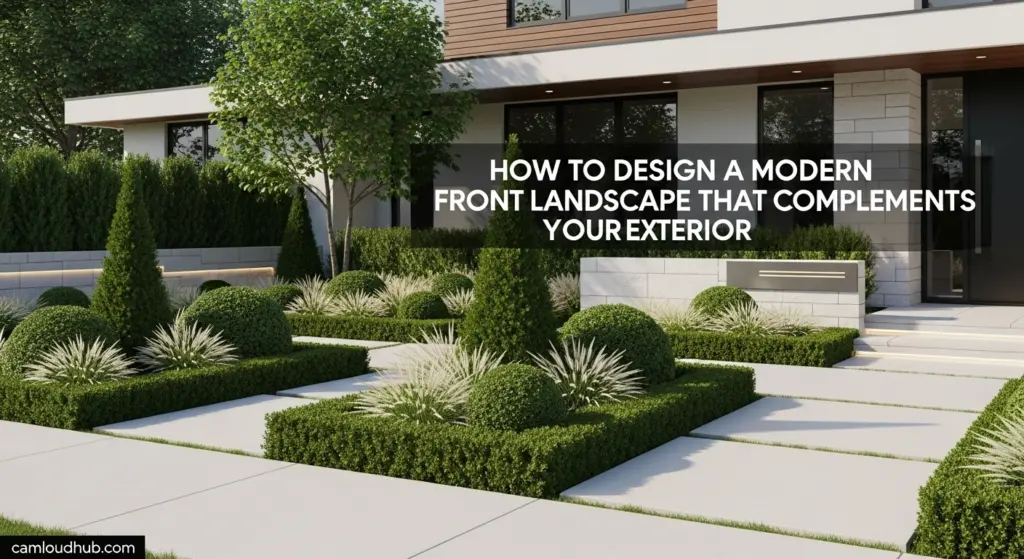
This features symmetry and balance in your layout from its walkways to plant selections. Opt for symmetrical flower arrangements or precisely cut hedges, which enhance the structure of the setting.
Addressing Common Front Landscape Challenges
Many issues commonly arise during landscape renovations. These issues range from problems with drainage to concerns about dealing with sloped gardens, and how these issues are solved directly affect your outcome.
The goal is to always start with a careful assessment of the conditions and after that implement tailored services. This is to handle the core issues, and ensures both the aesthetics and prolonged vitality of your planned surrounding.
Drainage Problems
Improper drainage can lead to waterlogged soil and plant diseases. Install drainage systems, such as French drains or swales, to redirect excess water away from your home and landscape.
Sloped Front Yards
Sloped front yards can be challenging to landscape. Create terraces or retaining walls to create level planting areas.
Limited Space
Limited space can make it difficult to create a functional and visually appealing front landscape. Use vertical gardening techniques and choose compact plant varieties to maximize your space.
Seasonal Considerations for Your Front Landscape
Your landscape will evolve throughout the year with each season bringing different considerations for upkeep and changes.
- Spring: Spring marks the beginning, providing the best time for planting new trees and flowers and enriching soil with amendments so your garden flourishes all growing season. Mulch to retain soil moisture.
- Summer: As the heat rises, watch plant hydration and keep on top of pest management. Prune as required, and take advantage of prolonged sunshine to enjoy what you have cultivated.
- Autumn: Get ready for the shift by clearing fallen foliage from your garden, splitting herbaceous perennials to propagate and improving soil with organic materials which prepares it for the upcoming rest period.
- Winter: Despite the inactive status of gardening, safeguarding sensitive plants against serious frosts, and pruning deciduous trees are required to ensure the setting endures through this season.
Budgeting for Your Modern Front Landscape
Establishing a budget is key for controlling costs and allocating capital efficiently within each component. Determine whether your budget can accommodate DIY duties, the type and scale of components needed, and whether any expert help is required.
Factor in expenses such as landscaping, materials, equipment acquisitions, and specialist labor while seeking quotes and looking into eco-friendly resources that may significantly save the amount without cutting corners.
Key Budget Considerations
- Design Fees: If you hire a landscape designer, factor in their fees.
- Material Costs: Include the cost of plants, hardscaping materials, lighting fixtures, and irrigation systems.
- Labor Costs: If you hire contractors, factor in their labor costs.
- Permit Fees: Check with your local municipality to see if any permits are required for your project.
- Maintenance Costs: Consider the ongoing costs of maintaining your landscape, such as watering, fertilizing, and pruning.
Choosing Sustainable Materials and Practices
Today, modern landscape means integrating durable methods that help the ecosystem. You have a lot of materials that can be used responsibly and decrease the consequences of landscaping efforts. Choose reclaimed wood, recycled rubber pavers, and local stones to lessen waste and support local economy.
Utilizing drought-tolerant vegetation, efficient watering systems, and integrating integrated mosquito control measures and environment friendly remedies that can help conserve the local plants and animals. Eco-Friendly selections add to the landscapes’ visual beauty in addition to safeguarding the surrounding for upcoming ages.
Conclusion
Designing a modern front landscape that complements your home’s exterior involves careful planning, thoughtful plant selection, and a commitment to modern design principles. By understanding the key elements of modern landscape design, analyzing your existing landscape, and avoiding common mistakes, you can create a beautiful and functional outdoor space that enhances your home’s curb appeal and reflects your personal style.
Remember to consider the principles of sustainability and choose materials and practices that minimize your impact on the environment. Whether you choose to tackle the project yourself or hire professional landscapers, the result will be a front yard that you can be proud of for years to come. By using these modern front landscape ideas you’ll be able to transform your yard.