
Understanding Contemporary Architecture and Paint
Contemporary Exterior Paint Ideas for a Fresh Architectural Look – Contemporary architecture distinguishes itself through clean lines, minimalist designs, and a focus on functionality. The emphasis is often on open spaces, natural light, and the incorporation of sustainable materials. Contemporary homes may feature large windows, flat roofs, and unconventional shapes, deviating significantly from classical styles. This architectural style demands corresponding paint choices that enhance these features and create a cohesive aesthetic. Therefore, exploring contemporary exterior paint ideas requires considering these specific characteristics.
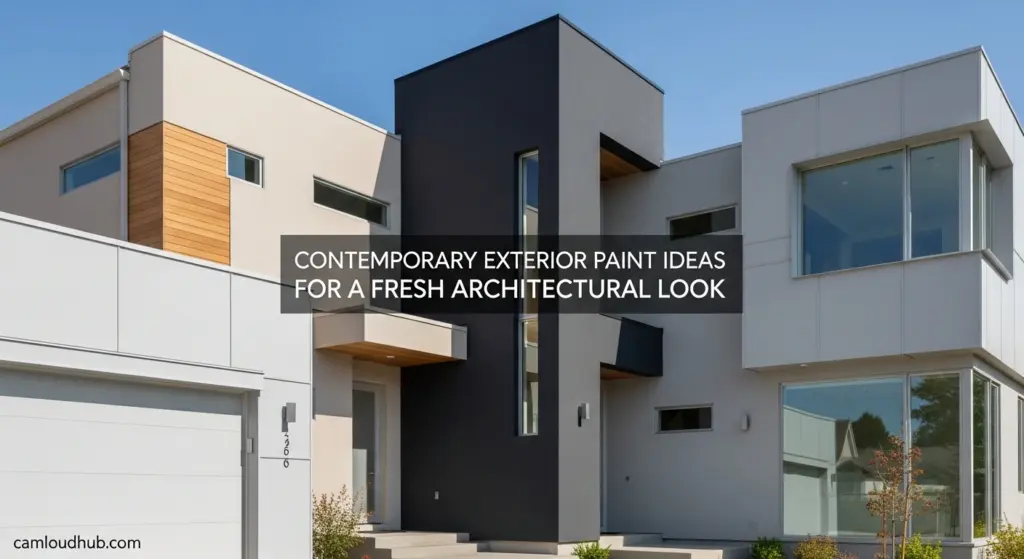
When contemplating contemporary exterior paint ideas, it’s crucial to understand the common palettes associated with the style. Neutrals like whites, grays, and beiges are frequently used, acting as a sophisticated backdrop that allows other architectural elements and landscaping to shine. However, contemporary design is not limited to neutrals. Bold accent colors, often used sparingly, can add drama and personality to a modern facade. Understanding the nuances of color theory and how different colors interact will allow you to formulate effective contemporary exterior paint ideas.
The Role of Neutrals in Contemporary Design
Neutrals are the cornerstone of many contemporary exterior designs. These colors provide a calming, sophisticated base that emphasizes the clean lines and geometric shapes characteristic of contemporary architecture. They also offer a versatile canvas for incorporating pops of color and highlighting specific architectural details.
White, in its various shades, is a popular choice. It creates a bright, airy feel and can make a house appear larger. However, the specific shade of white is crucial. Off-whites with subtle undertones of gray or beige can add warmth, preventing a stark, clinical look. Pure whites, on the other hand, provide a very modern and clean aesthetic, especially when paired with contrasting black trim.
Gray is another mainstay in the contemporary palette. From light, airy grays to deep, charcoal tones, gray offers a wide range of options. Light grays are excellent for creating a sense of spaciousness, while darker grays add drama and sophistication. The key is to select a gray that complements the surrounding landscape and architectural style of your home. Cool grays work well with minimalist designs, while warmer grays can soften the overall look. Keep in mind when exploring contemporary exterior paint ideas that the proper shade of gray can act as fantastic backdrop for green landscaping.
Beige, often dismissed as outdated, has made a comeback in contemporary design, especially when used in sophisticated, updated ways. Pale beiges with hints of gray or greige (a blend of gray and beige) offer a warmer alternative to stark whites and cool grays. These colors create a welcoming feel and can be particularly effective in softening the harsh lines of modern architecture. The use of textures combined with beige can emphasize the modern look when considering contemporary exterior paint ideas.
Adding Pops of Color: Strategic Accent Choices
While neutrals form the foundation of many contemporary exterior paint ideas, adding pops of color can infuse personality and visual interest. These pops of color should be used strategically and sparingly, focusing on specific architectural elements or areas to create a striking contrast.
The front door is a prime candidate for a bold accent color. A vibrant red, a deep teal, or a sunny yellow door can instantly brighten the entrance and draw the eye. The color should complement the overall palette of the house and reflect your personal style. When brainstorming contemporary exterior paint ideas, you should consider the front door to be the focal point of the home’s exterior.
Another area to consider for accent colors is the trim. Painting window frames, fascias, or other architectural details in a contrasting color can highlight the clean lines and geometric shapes of contemporary architecture. Black trim is a popular choice, creating a sharp, modern look against a light neutral background. Dark bronze or charcoal gray can also provide a sophisticated contrast.
Accent walls or sections of siding are another way to incorporate color. This works particularly well on homes with mixed materials, such as a combination of siding and brick or stone. A bold accent color can draw attention to specific areas and break up the monotony of a large facade. When developing contemporary exterior paint ideas, remember that color can attract the eye to desirable qualities of the home.
Landscaping elements, such as planters or fences, can also be painted to complement the exterior color scheme. This creates a cohesive and visually appealing outdoor space. The selection of the right color for landscaping elements should be carefully considered because they can either enhance or detract from the overall desired look.
Exploring Specific Contemporary Exterior Paint Ideas
Now, let’s delve into specific contemporary exterior paint ideas that you can adapt to your own home. These ideas encompass a range of styles and color palettes to inspire your next exterior makeover.
Monochromatic Modern: Shades of Gray
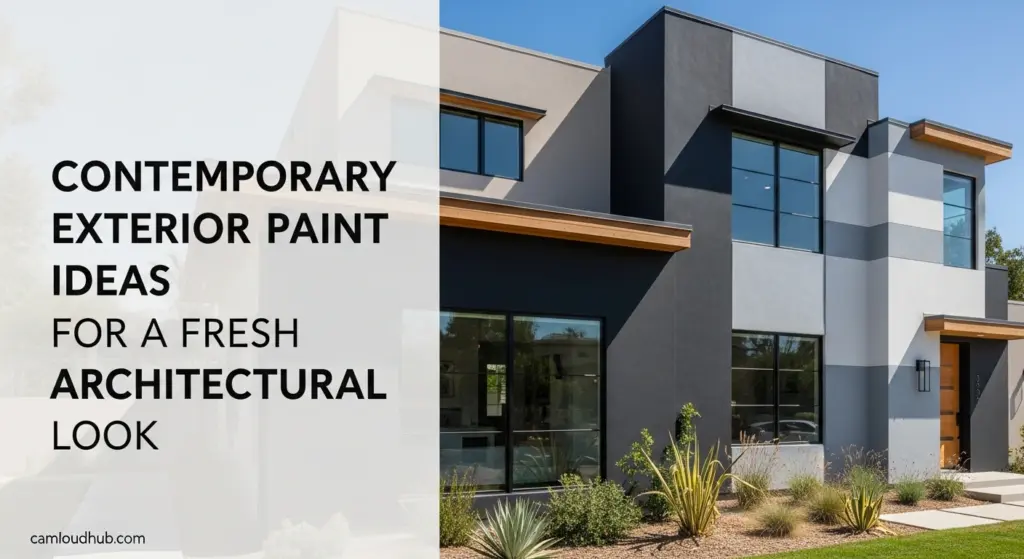
A monochromatic gray scheme is undeniably chic and contemporary. This involves using different shades of gray to create depth and dimension. For example, you could use a light gray for the main body of the house, a medium gray for the trim, and a dark charcoal gray for the front door. The subtle variations in tone create a sophisticated and cohesive look.
This approach works particularly well on homes with interesting architectural details, as the varying shades of gray will highlight these features. The key is to choose shades that complement each other and create a harmonious balance. The monochromatic approach allows the architectural design to take center stage, while subtle color gradations add visual interest. This idea is an excellent example of contemporary exterior paint ideas for minimalist homes.
Warm Neutrals with Natural Accents
This palette combines warm neutrals like beige, cream, and greige with natural accents such as wood or stone. The warmth of the neutrals creates a welcoming and inviting feel, while the natural materials add texture and visual interest. This approach is particularly effective in softening the harsh lines of modern architecture and creating a connection to the surrounding landscape.
For example, you could paint the main body of the house in a warm greige and use wood siding or stone accents on specific areas. A dark bronze or brown front door would complement the warm neutrals and add a touch of sophistication. This combination balances the modern appeal with elements of nature, which is a prominent theme in contemporary design. When brainstorming contemporary exterior paint ideas, consider how this approach can harmonize with your existing landscape features, resulting in a timeless curb appeal.
Bold Contrast: Black and White
The classic combination of black and white continues to be a powerful and timeless choice for contemporary exteriors. The high contrast creates a dramatic and visually striking look. This palette works particularly well on homes with clean lines and minimalist designs.
You can opt for an all-white house with black trim, or vice versa. A black house with white trim is a bolder statement, while a white house with black trim is a more classic approach. Regardless of the chosen ratio, the key is to use these colors in a balanced and deliberate manner. This strategy is one of the more impactful contemporary exterior paint ideas, making your house look instantly modern.
Earth Tones Reimagined: Sage Green and Terracotta
Earth tones are making a comeback in contemporary design, but with a fresh and modern twist. Instead of the dated browns and beiges, think sage green, terracotta, and clay colors. These colors add warmth and earthiness while still feeling contemporary.
Sage green is a particularly popular choice, offering a subtle and sophisticated alternative to traditional greens. It pairs well with natural materials like wood and stone and creates a calming and serene feel. Terracotta, with its warm, earthy tones, adds a touch of rustic charm. These colors work well together in a harmonious balance, creating a warm and inviting exterior. Using such color combinations offers contemporary exterior paint ideas that are both unique and timeless.
Coastal Cool: Blues and Grays
For homes located near the coast, blues and grays are a natural choice. These colors evoke the colors of the ocean and the sky, creating a calming and refreshing feel. Light blues and grays are particularly effective in reflecting sunlight and keeping the house cool in hot climates.
Consider painting the main body of the house in a light, airy blue and using a darker gray for the trim. A white front door would complement the cool tones and add a touch of brightness. This color scheme evokes a sense of serenity and relaxation, making it perfect for coastal living. When thinking about contemporary exterior paint ideas for your coastal home, you should keep the relationship to the surrounding environment in mind.
Factors to Consider Before Painting
Before diving into the actual painting, it is essential to consider several important factors that can significantly impact the outcome of your project. This includes assessing your home’s architectural style, evaluating your surrounding environment, and understanding the importance of paint quality.
Architectural Style and Color Harmony
Every house has a unique architectural style, from modern and minimalist to Victorian and craftsman. Choosing a color palette that complements your home’s style is crucial for achieving a cohesive and aesthetically pleasing look.
For example, a modern home with clean lines and geometric shapes will benefit from neutral colors like white, gray, or black, with strategic pops of color to highlight architectural details. In contrast, a Victorian home with intricate detailing may suit a more elaborate color scheme, incorporating multiple colors to accentuate its ornate features. A craftsman-style home often looks best in earth tones, like greens and browns, which emphasize its natural materials and handcrafted details.
By carefully considering the architectural style of your home, you can select a color palette that enhances its inherent beauty and ensures a harmonious and timeless exterior. Considering architectural style leads to more successful contemporary exterior paint ideas.
Environment and Location: Adapting to Your Surroundings
The surrounding environment and location of your home play a significant role in choosing the right exterior paint colors. The colors of the landscape, the climate, and the amount of sunlight your home receives can all influence how paint colors appear and perform.
In sunny climates, lighter colors are often preferred as they reflect sunlight and help keep the house cooler. Conversely, in cooler climates, darker colors can help absorb heat and create a warmer feel. Coastal homes benefit from colors that evoke the ocean and sky, such as blues and grays, while homes in rural areas may suit earth tones that blend in with the natural surroundings.
The amount of shade your home receives is also a crucial factor. Homes with lots of shade may benefit from lighter colors that brighten the facade, while homes in direct sunlight may need darker colors to avoid excessive glare. When thinking about contemporary exterior paint ideas, the impact of the environment cannot be overstated.
The Importance of Paint Quality and Durability
Choosing high-quality paint is essential for ensuring a long-lasting and durable finish. While cheaper paints may seem attractive in terms of cost savings, they often lack the durability and longevity of higher-quality options. High-quality paints are formulated with better ingredients that provide superior coverage, resistance to fading, and protection against the elements.
Investing in high-quality paint will save you money in the long run by reducing the need for frequent repainting. It will also protect your home from damage caused by moisture, mildew, and UV rays. Look for paints that are specifically designed for exterior use and that offer a warranty against fading, cracking, and peeling. The durability of the paint is a pivotal decision when thinking of contemporary exterior paint ideas that will last for years.
Preparation is Key: The Painting Process
Proper preparation is just as important as choosing the right contemporary exterior paint ideas. A well-prepared surface will ensure that the paint adheres properly and lasts longer.
Cleaning and Repairing Surfaces for Optimal Adhesion
Before you even think about applying paint, you need to meticulously clean the exterior surfaces of your home. This involves removing dirt, mildew, loose paint, and any other debris that could prevent the new paint from adhering properly. A pressure washer is an excellent tool for this task, but be careful not to use too much pressure, which could damage the siding. For delicate surfaces, a scrub brush and mild detergent are more appropriate.
Once the surface is clean, inspect it carefully for any signs of damage, such as cracks, holes, or rotting wood. Repair these areas before you start painting. Fill cracks and holes with exterior-grade caulk or wood filler, and replace any damaged wood siding. Sanding down rough spots will create a smooth surface that will enhance the finish of the new paint.
Priming: The Foundation for a Lasting Finish
Priming is a crucial step that is often overlooked, but it is essential for achieving a long-lasting and durable finish. Primer creates a uniform surface that allows the paint to adhere properly, prevents the color from being absorbed unevenly, and helps protect the underlying material.
Choose a primer that is specifically designed for exterior use and that is compatible with the type of paint you plan to use. Apply the primer evenly, following the manufacturer’s instructions. Allow the primer to dry completely before applying the first coat of paint. Paying attention to this step in the process will guarantee the success of your contemporary exterior paint ideas(s).
Application Techniques: Achieving a Professional Look
The way you apply the paint can make a big difference in the final result. Whether you choose to use a brush, roller, or sprayer, be sure to use the right technique for the job.
Brushes are best for painting trim, corners, and other areas that require precision. Rollers are ideal for painting large, flat surfaces, such as siding. Sprayers can provide a smooth, even finish on textured surfaces, but they require more skill and preparation.
Regardless of the tool you choose, apply the paint in thin, even coats, following the manufacturer’s instructions. Avoid applying too much paint at once, as this can lead to drips and sags. Allow each coat to dry completely before applying the next coat.
Trending Color Palettes for Contemporary Exteriors
Keeping up with current trends is a great way to ensure your contemporary exterior paint ideas are truly modern.
Muted Pastels: A Subtle Touch of Color
Muted pastels are gaining popularity in contemporary exterior design, offering a subtle and sophisticated alternative to traditional bright pastels. Think soft blues, greens, pinks, and yellows with a muted, almost grayed-out tone. This creates a calming and understated feel that complements contemporary architecture.
Muted pastels work well on homes with clean lines and minimalist designs. They can be used as the main color or as accent colors, adding a touch of personality and visual interest. Pair them with neutral trim colors like white or gray for a balanced and harmonious look. The subtlety of muted pastels will give your house a modern and elegant feel that align with cutting edge contemporary exterior paint ideas.
Two-Tone Combinations: Creating Visual Interest
Two-tone combinations are a great way to add visual interest and depth to your home’s exterior. This involves using two different colors on different parts of the house, such as the siding, trim, or architectural details. Be mindful of the amount of work using multiple colors will add to the project, but rest assured that two-tone applications are some of the most sought after contemporary exterior paint ideas.
The key is to choose colors that complement each other and create a balanced and harmonious look. For example, you could use a light neutral color for the main body of the house and a darker accent color for the trim. Or, you could use two different shades of the same color to create a subtle and sophisticated effect.
Dark and Moody: Embracing Dramatic Hues
Dark and moody colors, such as charcoal gray, navy blue, and deep forest green, are becoming increasingly popular for contemporary exteriors. These colors create a dramatic and sophisticated look that is perfect for modern homes.
Dark colors can make a house appear smaller, so they are best suited for larger homes with plenty of natural light. They also work well in areas with lush greenery, where the dark colors can create a striking contrast.
When using dark colors, it is important to balance them with lighter accents, such as white trim or a brightly colored front door. This will prevent the house from looking too dark and gloomy.
DIY vs. Professional Painting: Making the Right Choice
Deciding whether to tackle your exterior painting project yourself or hire a professional is a crucial decision. Both options have their advantages and disadvantages, and the best choice for you will depend on your skills, experience, budget, and time constraints.
Assessing Your Skills and Experience
Before you decide to DIY your exterior painting, honestly assess your skills and experience. Do you have experience painting large surfaces and working at heights? Are you comfortable using ladders and scaffolding? Do you have the necessary tools and equipment?
If you are a beginner or have limited experience, it may be best to hire a professional. Exterior painting can be challenging and time-consuming, and mistakes can be costly. A professional painter will have the skills and experience to do the job right, ensuring a long-lasting and aesthetically pleasing finish.
Cost Analysis: Balancing Budget and Quality
Cost is a significant factor for most homeowners when deciding between DIY and professional painting. DIY painting is generally less expensive upfront, as you only need to pay for the paint and materials. However, professional painting can be more cost-effective in the long run.
Professional painters have the experience and expertise to do the job efficiently and effectively, reducing the risk of mistakes and ensuring a long-lasting finish. They also have access to high-quality paints and equipment that may be more expensive to purchase yourself. You also need to factor in the value of your time. Exterior painting can take several days or even weeks to complete, especially if you are working alone. Hiring a professional painter will save you time and allow you to focus on other priorities.
Time Commitment and Project Management
Exterior painting is a time-consuming project that requires careful planning and project management. You need to factor in the time it will take to prepare the surface, prime, and paint multiple coats, as well as the time it will take to clean up and dispose of the materials. Professional painters can complete the project much faster, thanks to their experience and specialized equipment.
A DIY endeavor can become very stressful and detract focus from important events. Consider this when considering contemporary exterior paint ideas and who will ultimately execute them.
Common Mistakes to Avoid
Even if you’re a seasoned DIYer, there are common mistakes many homeowners make when painting their home’s exterior. Avoiding these pitfalls will save you time, money, and frustration.
Neglecting Proper Surface Preparation
We’ve stressed this before, but it’s worth repeating: neglecting surface preparation is the biggest mistake you can make. Skipping this step will result in poor adhesion, uneven coverage, and a finish that won’t last. Take the time to thoroughly clean, repair, and prime the surface before you even think about opening a can of paint.
Choosing the Wrong Paint Type
Using the wrong paint type for your home’s exterior can lead to a variety of problems, including peeling, cracking, and fading. Make sure you choose a paint that is specifically designed for exterior use and that is compatible with the type of siding you have. Acrylic latex paints are a popular choice, as they are durable, easy to apply, and resistant to mildew and fading.
Skimping on Quality
As mentioned earlier, skimping on paint quality is a false economy. Cheaper paints may seem appealing in terms of cost savings, but they often lack the durability and longevity of higher-quality options. Invest in a high-quality paint that will provide superior coverage, resistance to fading, and protection against the elements. Your choice of paint product to support your contemporary exterior paint ideas is important.
Painting in Inclement Weather
Painting in inclement weather, such as rain, high humidity, or extreme heat, can negatively affect the outcome of your project. Rain can wash away the paint before it has a chance to dry, while high humidity can slow down the drying process and lead to mildew growth. Extreme heat can cause the paint to dry too quickly, resulting in uneven coverage and blistering. Ideally, you should paint on a dry, moderately warm day with temperatures between 50°F and 85°F.
Using Too Much or Too Little Paint
Applying too much paint can lead to drips, sags, and uneven coverage. Applying too little paint can result in poor coverage and a finish that is not durable. The key is to apply the paint in thin, even coats, following the manufacturer’s instructions. Multiple thin coats are almost always better than one thick coat.
Maximizing Curb Appeal: Beyond Paint
While a fresh coat of paint can dramatically improve your home’s curb appeal, there are other things you can do to enhance its overall appearance.
Landscaping Enhancements: Complementing Your Paint Choice
Landscaping plays a vital role in enhancing the curb appeal of your home. Well-maintained lawns, colorful flowerbeds, and strategically placed trees and shrubs can complement your exterior paint choices and create a welcoming and inviting atmosphere.
Choose plants that thrive in your climate and that complement the color scheme of your house. Consider adding focal points such as a water feature or a sculpture to add visual interest to your yard. Proper landscaping can truly enhance the look of your contemporary exterior paint ideas(s).
Exterior Lighting: Highlighting Architectural Features
Exterior lighting can transform the look of your home at night, highlighting architectural features and creating a warm and inviting ambiance. Consider adding landscape lighting to illuminate pathways, highlight trees and shrubs, and accentuate the architectural details of your house.
Motion-sensor lights can provide added security, while decorative lighting can create a festive atmosphere. Choose lighting fixtures that complement your home’s style and that provide ample illumination without being too harsh or intrusive.
Accessorizing: Finishing Touches for a Polished Look
Accessorizing is the final step in enhancing your home’s curb appeal. This includes adding finishing touches such as new house numbers, a stylish mailbox, and decorative door hardware.
Choose accessories that complement your home’s style and that add a touch of personality. A new doormat, a potted plant, or a colorful wreath can all make a big difference in the overall appearance of your home. These small touches can tie together your contemporary exterior paint ideas and enhance the curb appeal of your home.
Maintaining your Exterior Paint Job
Once you’ve put in the effort to paint your home’s exterior, it’s important to maintain it properly to ensure it lasts for years to come.
Regular Cleaning: Preventing Dirt and Mildew Buildup
Regular cleaning is essential for preventing dirt, mildew, and other debris from accumulating on your home’s exterior. Use a garden hose or a pressure washer to rinse off the siding and trim every few months.
For stubborn stains, use a mild detergent and a scrub brush. Be careful not to use too much pressure when pressure washing, as this can damage the siding. Cleaning and maintaining this look will guarantee that your contemporary exterior paint ideas have a long and healthy life.
Addressing Chips and Cracks Promptly
Chips and cracks in the paint can allow moisture to penetrate the siding, leading to rot and other damage. Address these issues promptly by patching and repainting the affected areas.
Use exterior-grade caulk to fill cracks and holes, and sand down any rough spots before repainting. Apply primer to the repaired areas before applying the topcoat. Keeping these areas well maintained will keep the exterior looking great. This will truly help accentuate your contemporary exterior paint ideas.
Periodic Inspections: Identifying Potential Problems Early
Conduct periodic inspections of your home’s exterior to identify potential problems early. Check for signs of peeling, cracking, fading, and mildew growth. Addressing these issues promptly can prevent them from escalating into more serious problems.
Pay close attention to areas that are exposed to direct sunlight, such as south-facing walls, as these are more likely to experience fading and damage. By monitoring the exterior, you can truly prolong and enhance your contemporary exterior paint ideas.
Conclusion
From understanding different color palettes to the importance of paint quality, we’ve covered a wide range of topics to help you achieve your desired look. Remember to consider your architectural style, environment, and personal preferences when making your color choices. Whether you opt for a monochromatic scheme, a bold contrast, or a subtle pop of color, the key is to create a cohesive and visually appealing exterior that reflects your unique style.
With careful planning, proper preparation, and the right techniques, you can transform your home’s exterior and enhance its curb appeal for years to come. Don’t be afraid to experiment and explore different contemporary exterior paint ideas until you find the perfect combination that brings your vision to life.