
Understanding the Power of Exterior Textures
How to Combine Textures for a Stylish and Dynamic Home Exterior – Textures play a vital role in how we perceive objects and spaces. They engage our sense of touch and sight, adding a layer of complexity that goes beyond color and form. On a home’s exterior, textures can convey a sense of warmth, sophistication, or rustic charm. The key is to understand how different materials interact with light and shadow, and how they complement each other when used in combination.
Visual Weight and Balance
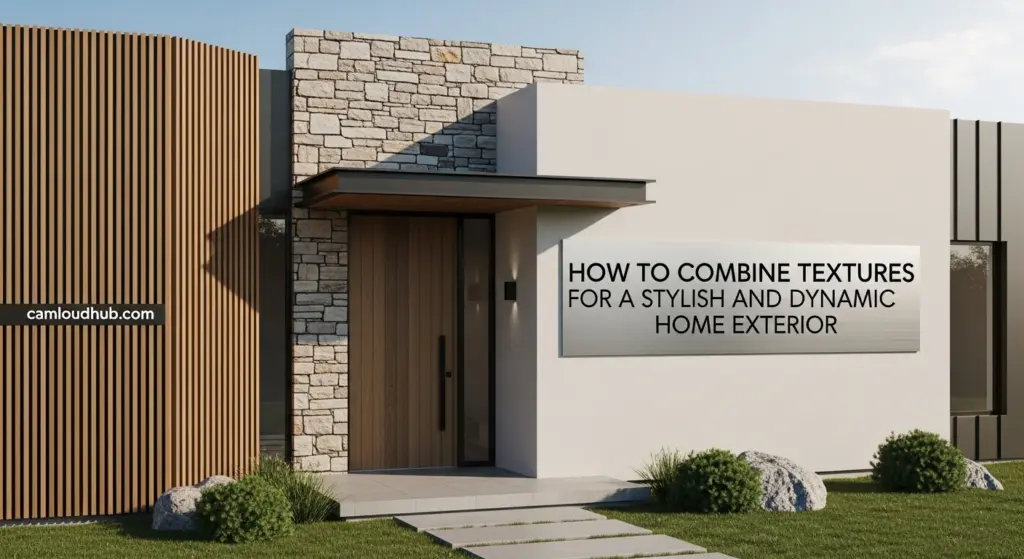
When considering exterior texture combination ideas, it’s crucial to think about visual weight. Certain textures, like rough stone or heavy wood siding, have a greater visual weight than smoother materials like metal or glass. Balancing these elements is essential for creating a harmonious and visually pleasing exterior. A heavy texture on the lower portion of the house, for example, can ground the structure, while lighter textures above can create a sense of airiness. Think about how the placement of contrasting textures impacts the overall feeling. Careful planning ensures a balanced design.
Considering the Architectural Style
The architectural style of your home should heavily influence your texture choices. A modern home might benefit from sleek, minimalist textures like smooth stucco and metal panels, while a traditional home might call for more rustic materials like brick, wood shakes, and natural stone. Working with the existing architecture, instead of against it, is the first step to achieving a cohesive and stylish exterior. Consider the inherent characteristics of your home’s design when brainstorming exterior texture combination ideas.
Climate and Durability Considerations
The climate in your area will also play a significant role in determining the best textures for your home’s exterior. Materials need to be durable enough to withstand the elements – rain, snow, sun, and wind. For example, wood siding might require more maintenance in a humid climate, while stucco might be susceptible to cracking in areas with extreme temperature fluctuations. Always prioritize durable materials that are appropriate for your climate to ensure the longevity and beauty of your home’s exterior. Make sure to check local building codes and HOA regulations regarding permissible materials.
Exploring Popular Exterior Texture Combinations
There are countless ways to combine textures to create a stunning home exterior. Here’s a look at some popular and successful combinations:
Brick and Wood Siding
This classic combination offers a beautiful blend of warmth and sophistication. The brick provides a sense of solidity and permanence, while the wood siding adds a touch of natural charm. This pairing works well with a variety of architectural styles, from traditional to transitional. Choose a brick color that complements the wood tones for a cohesive look.
Stone and Stucco
Stone and stucco create a timeless and elegant exterior. The natural texture of the stone provides visual interest, while the smooth stucco offers a clean and modern contrast. This combination is particularly well-suited for Mediterranean and Spanish-style homes. Varying the color and size of the stone can add further dimension. Try a darker, textured stone at the base of the house for grounding.
Metal and Wood
The combination of metal and wood offers a contemporary and refined aesthetic. The sleekness of the metal complements the warmth and natural beauty of the wood. This pairing is often seen in modern and contemporary homes. Consider using vertically oriented wood siding to accentuate height and slimness. Metal accents around windows or entryways provide contrast.
Fiber Cement Siding and Stone Veneer
Fiber cement siding is a durable and versatile material that mimics the look of wood but requires less maintenance. Paired with stone veneer, this combination offers a cost-effective way to achieve a high-end look. Stone veneer is lightweight and easy to install, making it a great option for adding texture to specific areas of your home, such as the foundation or around the entryway.
Exposed Concrete and Glass
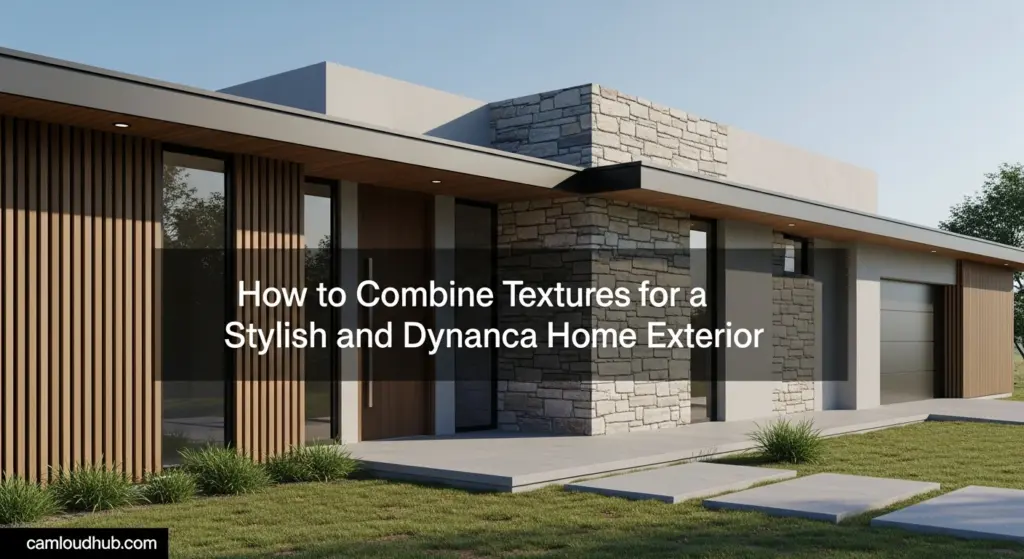
For ultra-modern homes, exposed concrete combined with large expanses of glass creates a strikingly minimalist exterior. The raw texture of the concrete contrasts beautifully with the sleekness of the glass, resulting in a bold and sophisticated design. This combination is best suited for homes with clean lines and a focus on simplicity. Consider offsetting the hardness of the concrete with strategic landscaping.
Deeper Dive into Material Options
Understanding the characteristics of various exterior materials is crucial for making informed decisions about your exterior texture combination ideas.
Wood Siding: Timeless Appeal
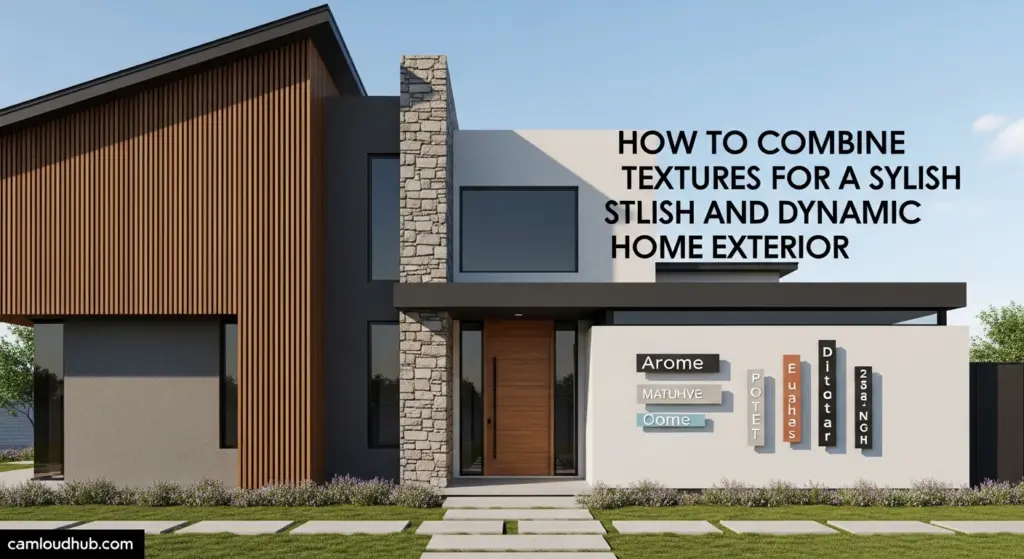
Wood siding remains a perennial favorite due to its natural beauty and warmth. Options range from traditional clapboard and shingles to more contemporary vertical siding and shiplap. Wood can be stained or painted to achieve a wide range of looks, making it a versatile choice for many architectural styles. Regular maintenance is essential to protect wood siding from the elements. Consider the longevity and sustainability of different wood types when making selections.
Different Types of Wood Siding
- Cedar: Known for its natural resistance to rot and insects, cedar is a durable and beautiful option.
- Redwood: Redwood offers a rich color and a distinct grain pattern, adding character to any home.
- Pine: A more affordable option, pine requires more frequent maintenance to protect it from the elements.
- Engineered Wood: Offers the look of real wood with increased durability and decreased maintenance.
Brick: Classic and Durable
Brick is a classic material that adds a sense of permanence and character to any home. It is available in a wide range of colors, textures, and sizes, allowing for a high degree of customization. Brick is also a durable and low-maintenance option, making it a popular choice for homeowners.
Brick Patterns and Colors
- Running Bond: The most common brick pattern, offering a simple and clean look.
- Stack Bond: Creates a more modern look with bricks stacked directly on top of each other.
- Herringbone: A more intricate pattern that adds visual interest.
- Colors: From classic red and brown to modern gray and white, brick offers a wide range of color choices.
Stone: Natural Beauty and Elegance
Stone is a natural material that adds a touch of luxury and sophistication to any home. It is available in a wide range of colors, textures, and shapes, allowing for a unique and custom look. Stone can be used as a veneer or as a full-thickness material, depending on your budget and design preferences.
Types of Stone for Exteriors
- Limestone: A light-colored stone with a smooth texture, offering a classic and elegant look.
- Granite: A durable and hard-wearing stone, ideal for areas that require extra protection.
- Slate: A dark-colored stone with a distinctive layered texture, adding a touch of drama.
- Fieldstone: A naturally occurring stone with a rough and irregular texture, creating a rustic look.
Stucco: Smooth and Versatile
Stucco is a cement-based plaster that is applied to the exterior of homes. It is a versatile material that can be textured in a variety of ways, from smooth to heavily textured. Stucco is a durable and low-maintenance option, making it a popular choice for homeowners in warm climates.
Stucco Finishes and Textures
- Smooth Finish: A clean and modern look that is easy to maintain.
- Sand Finish: A slightly textured finish that adds visual interest.
- Spanish Lace Finish: A heavily textured finish that creates a rustic and dramatic look.
Metal: Sleek and Modern Look
Metal is an increasingly popular choice for home exteriors due to its sleek, modern aesthetic and durability. Options include steel, aluminum, and copper, each offering a unique look and set of benefits. Metal is also a sustainable choice, as it is often made from recycled materials.
Types of Metal Siding
- Steel Siding: Known for its strength and durability, steel siding is a great option for areas with harsh weather conditions.
- Aluminum Siding: Lightweight and rust-resistant, aluminum siding is a low-maintenance option that is available in a variety of colors.
- Copper Siding: A premium option that develops a beautiful patina over time, adding character to any home.
Fiber Cement: Durable Alternative
Fiber cement is a composite material made from cement, sand, and cellulose fibers. It offers the look of wood siding but is more durable and requires less maintenance. Fiber cement is also resistant to fire, insects, and rot, making it a great option for homeowners who want a low-maintenance exterior.
Applying Texture Combination Ideas in Practice
Now that we’ve explored various materials and combinations, let’s look at how to apply these exterior texture combination ideas practically.
Start with a Focal Point
Choose a focal point on your home’s exterior and use texture to draw attention to it. This could be the entryway, a bay window, or a prominent chimney. Use a contrasting texture to highlight this area and make it stand out. For example, you might use stone veneer around the entryway to create a welcoming and sophisticated look.
Utilize Vertical and Horizontal Lines
Consider how you can use vertical and horizontal lines to create visual interest. Vertical siding can make a home appear taller, while horizontal siding can make it appear wider. Alternating between vertical and horizontal textures can add a dynamic element to the exterior.
Create Depth with Layers
Layering textures can create a sense of depth and dimension. For example, you might use a base of brick or stone, followed by a layer of wood siding. This layering effect can add visual interest and make your home appear more substantial. It is an effective way to implement exterior texture combination ideas.
Color Harmony is Essential
While texture is important, don’t neglect the importance of color harmony. Choose colors that complement each other and create a cohesive look. Consider the existing colors of your roof, windows, and trim when selecting your exterior textures and colors.
Consider the Landscaping
The landscaping around your home can also play a role in enhancing your exterior texture combination ideas. Plants and trees can soften the hard edges of the building and add a natural element that complements the textures of the exterior. Consider using landscaping to highlight certain architectural features or to create a visual pathway to the entryway.
Specific Look and Feel Design Ideas
Let’s examine some more specific examples designed to convey a certain aesthetic.
Modern Farmhouse Charm
Achieve modern farmhouse charm by combining board-and-batten siding in a neutral color (like white or gray) with a stone accent around the foundation or chimney. Add wood trim and black accents (like window frames and light fixtures) for a touch of contemporary style. The juxtaposition of the vertical boards and the rugged stone creates a welcoming and stylish exterior; an excellent application of exterior texture combination ideas.
Coastal Chic
Embrace a coastal chic vibe by pairing light gray or white shiplap siding with natural wood accents (like a pergola or porch railing). Add stone around the base of the house for a grounding element. Incorporate nautical-inspired details, such as rope lighting or a wooden anchor, to complete the look.
Rustic Mountain Retreat
Create a rustic mountain retreat with a combination of log siding and natural stone. Use a dark stain on the wood to enhance its natural grain. Add a large stone fireplace for a focal point. Incorporate natural elements, such as exposed wood beams and wrought-iron accents, to create a warm and inviting atmosphere.
Contemporary Minimalism
Embrace contemporary minimalism with a sleek combination of smooth stucco and metal panels. Use neutral colors, such as white or gray, to create a clean and uncluttered look. Add large windows to maximize natural light. Keep the landscaping simple and minimal to maintain the contemporary aesthetic.
The Importance of Professional Consultation
While these tips and ideas can provide a great starting point, consulting with a professional architect or designer is always recommended. They can assess your home’s existing style, your budget, and your personal preferences to create a customized design plan that perfectly suits your needs. They can also help you navigate local building codes and HOA regulations to ensure that your project is compliant.
Working with Architects & Designers
Architects and designers bring expertise to the table that can save you time and money in the long run. They can help you avoid costly mistakes and ensure that your project is executed to the highest standards. They can also provide you with access to a wider range of materials and resources than you might have on your own.
Finding Reputable Contractors
Choosing the right contractor is also essential for a successful project. Look for contractors with a proven track record of quality workmanship and satisfied customers. Ask for references and check online reviews before making a decision. Ensure they are licensed and insured to protect yourself from liability. A trustworthy contractor understands how to best bring your exterior texture combination ideas into reality.
Long-Term Maintenance and Care
Once your new exterior is complete, it’s important to maintain it properly to ensure its longevity and beauty. Different materials require different types of care, so be sure to follow the manufacturer’s instructions for each material. Regular cleaning and inspections can help you identify and address potential problems before they become major issues.
Cleaning and Inspections
Regularly cleaning your home’s exterior can prevent the buildup of dirt, mold, and mildew. Use a mild detergent and a soft brush to gently scrub the surfaces. Inspect your exterior for any signs of damage, such as cracks, chips, or peeling paint. Addressing these issues promptly can prevent further damage and extend the lifespan of your exterior.
Sealing and Protecting
Some materials, such as wood and stone, may require periodic sealing to protect them from the elements. Sealing can help prevent water damage, staining, and fading. Follow the manufacturer’s instructions for applying sealant. Consider applying a protective coating to metal surfaces to prevent rust and corrosion.
Budgeting for Exterior Texture Combinations
Carefully budgeting for your exterior project helps ensure it’s a success. The costs of materials vary considerably, and labor costs add to the overall investment. Planning allows for informed decisions.
Material Costs
Different materials have vastly different price points. Consider factors like durability, longevity, and aesthetic appeal when weighing the cost. Balancing desire with affordability is key. Fiber cement, stone veneer, and wood siding each have their place.
Labor Costs
Installation is where labor costs can rise significantly. Complex designs using multiple textures or difficult to reach areas will increase the labor required. Getting detailed, itemized bids from multiple contractors will help manage this aspect.
Hidden Costs
Always factor in hidden costs, such as permits, disposal fees, and unforeseen repairs. Having a contingency fund will prevent problems later. Talk to your contractor about potential hidden costs before beginning work. Including this buffer in your initial budget reduces stress.
The Future of Exterior Design: Sustainable Options
As sustainability gains importance, it’s essential to consider environmentally friendly options for home exteriors. Using recycled materials or those with low environmental impact is an excellent step.
Recycled Materials
Many building materials now incorporate recycled content, reducing waste and energy consumption. Recycled steel, reclaimed wood and recycled glass are growing in popularity. When exploring exterior texture combination ideas, consider using these options for a smaller carbon footprint.
Sustainable Sourcing
Choosing materials that are ethically and sustainably sourced is also crucial. Look for wood certified by the Forest Stewardship Council (FSC). Selecting local materials can also minimize transportation emissions. Prioritizing responsible sourcing builds trust and helps protect the environment.
Conclusion
Combining textures on your home’s exterior is a powerful way to enhance its curb appeal and create a lasting impression. By understanding the different materials available, considering the architectural style of your home, and working with a professional, you can achieve a stunning and dynamic exterior that reflects your personal style. Remember to consider the climate, budget constraints, and strive for both beauty and durability. The application of thoughtful exterior texture combination ideas will transform your house into a home. By carefully planning and executing your textural design, you will achieve an envy-worthy aesthetic.