
Embracing Minimalism: Clean Lines and Geometric Forms
Modern Exterior Garden Ideas to Complete Your Home’s Outdoor Aesthetic – Minimalism has taken the design world by storm, and its principles translate beautifully into garden design. The focus here is on simplicity, functionality, and a curated selection of elements.
Geometric Planting Beds
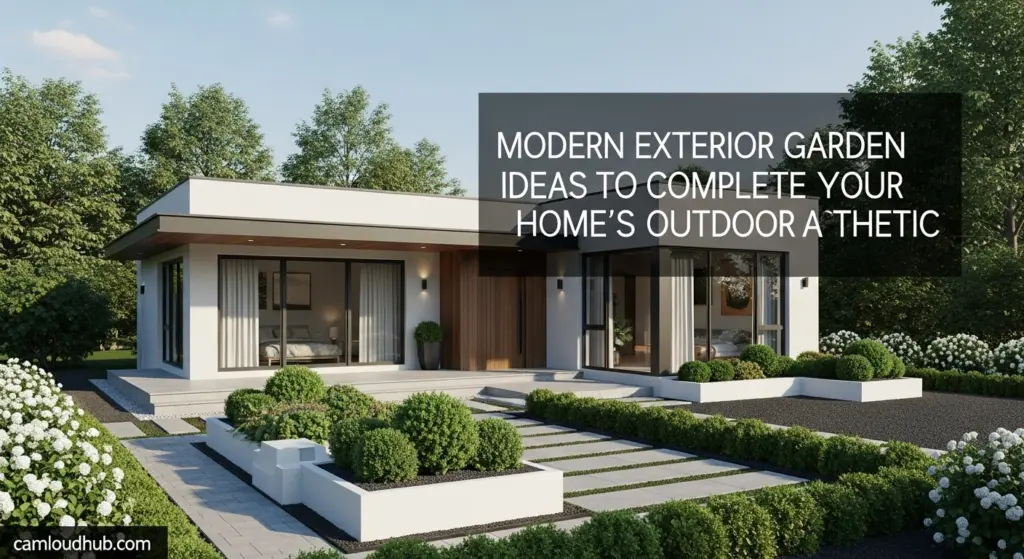
Forget traditional, meandering flower beds. Modern minimalist gardens often feature geometric planting beds – squares, rectangles, or even triangles crafted from materials like concrete, wood, or metal. These structures offer clean lines and a sense of order, making a strong visual statement. Use these beds to showcase plants with architectural foliage, like succulents, grasses, or low-maintenance shrubs.
Ensure proper drainage for the health of the plants. The deliberate use of space highlights the beauty of each individual plant. Consider using contrasting materials around the planting beds, like gravel or pavers, to further define the shapes. This approach adds visual interest and emphasizes the clean, geometric aesthetic. Moreover, the controlled environment allows for tailored soil mixtures, optimizing growth for the chosen plant varieties. Regularly prune and maintain the plants to preserve the defined shapes and prevent overgrowth, maintaining the geometric fidelity.
Concrete and Stone Hardscapes
Concrete and stone are staples of modern minimalist design. Use them to create pathways, patios, or even retaining walls. The gray tones of these materials provide a neutral backdrop that allows your plants to shine. Large format pavers offer expansive surfaces with minimal joints, enhancing the sleek look. The durability of concrete and stone ensures longevity, withstanding the elements and requiring minimal maintenance. Consider incorporating textured concrete or exposed aggregate for added visual interest.
Integrate outdoor lighting into the hardscape to create ambiance and safety during the evening hours. Plan for proper drainage to prevent water accumulation and potential damage. Explore various concrete finishes, such as polished, brushed, or stained, to complement your home’s exterior. Furthermore, the thermal properties of stone and concrete help regulate ground temperature, benefiting plant growth.
Gravel Gardens: Low-Maintenance Chic
Gravel gardens are an excellent choice for those seeking a modern, low-maintenance option. Use different sizes and colors of gravel to create visual texture and define pathways. Pair gravel with drought-tolerant plants like lavender, sedum, or ornamental grasses. A gravel garden offers excellent drainage, reducing the risk of root rot. It also helps suppress weed growth, minimizing the need for weeding.
The monochrome palette of gravel provides a calming backdrop for vibrant foliage and blooms. Opt for locally sourced gravel to minimize environmental impact. Regularly rake the gravel to maintain a tidy appearance and prevent compaction. Consider adding stepping stones for comfortable access throughout the garden. In autumn, remove any fallen leaves to avert decomposition and weed development. Remember to refresh the gravel layer every few years to counteract settling and maintain its aesthetic appeal.
The Allure of Naturalistic Design: Embracing Wild Beauty
Naturalistic gardens mimic the beauty of the untouched landscape, prioritizing native plants and a less structured aesthetic.
Native Plant Paradise
Choose plants that are native to your region. Native plants are adapted to your local climate and soil conditions, requiring less water and fertilizer. They also provide valuable habitat for local wildlife. Research the native plant species in your area and select those that suit your aesthetic preferences and the amount of sunlight your garden receives. Incorporating native plants also supports the local ecosystem by providing food and shelter for native insects and birds.
Native plants often have unique textures and forms, adding visual interest and biodiversity to your garden. Consult with local nurseries to find the best sources for native plants. Proper installation and initial care are crucial for the success of native plant establishment. Grouping plants with similar needs fosters a stable, self-sustaining environment.
Meadows and Wildflower Beds
Create a mini meadow in your backyard by planting a mix of wildflowers and grasses. This will attract pollinators and add a touch of wild beauty to your landscape. Select a sunny area with well-drained soil for your wildflower bed. Sow a diverse mixture of wildflower seeds for a continuous bloom throughout the growing season. Avoid using herbicides or pesticides in your meadow to protect pollinators.
Allow the wildflowers to self-seed to maintain the meadow’s vitality. Cut back the meadow in late fall or early spring to encourage new growth. A wildflower meadow provides a low-maintenance and visually stunning landscape feature. Consider including meandering pathways through the meadow for closer exploration. Regular monitoring for invasive species helps preserve the integrity of your native wildflower ecosystem.
Water Features: Ponds and Streams
Incorporate a water feature, such as a pond or stream, to create a tranquil and inviting space. Water features attract wildlife and add a sense of movement and sound to your garden. Choose a location that receives partial shade to prevent algae growth in your pond. Incorporate aquatic plants and fish to create a balanced ecosystem. Install a pump and filter to maintain water quality.
A stream can be created by recirculating water with a pump and carefully positioning rocks and plants. Water features provide a focal point and create a relaxing ambiance. Consider adding a small bridge or stepping stones for accessibility. Regular cleaning is vital to prevent debris accumulation and maintain ecological balance. Ensure secure fencing around the pond, especially if there are young children or pets present.
Vertical Gardens: Maximizing Space and Adding Greenery
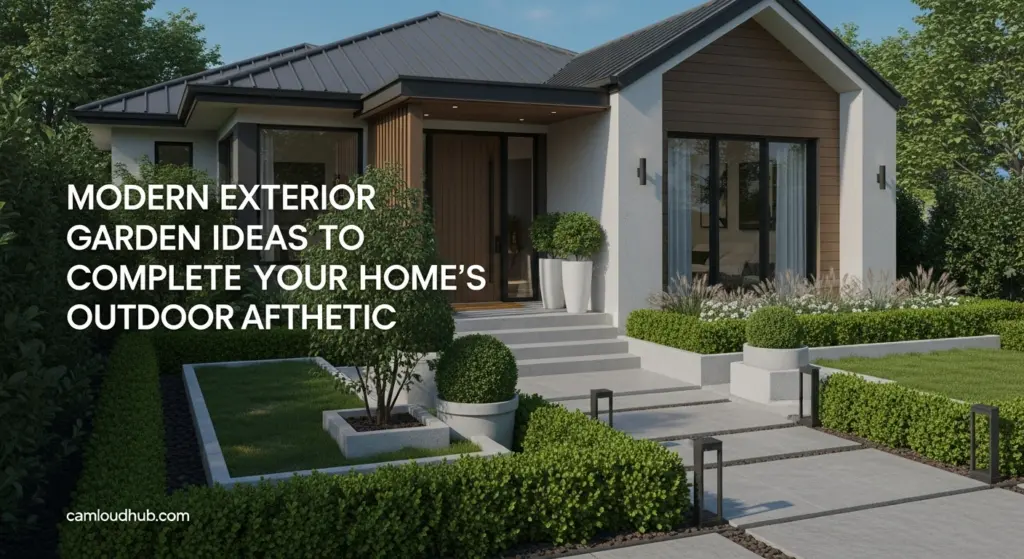
Vertical gardens are an excellent solution for small spaces or for adding a unique touch to any garden design. They also serve as excellent modern exterior garden ideas that can elevate your home’s outdoor aesthetics.
Living Walls
Living walls are vertical structures covered in plants. They can be created using a variety of systems, from modular panels to custom-built frames. Choose plants that are suitable for vertical growth and that can tolerate the amount of sunlight your wall receives. Install an irrigation system to ensure that your plants receive adequate water.
Living walls provide insulation, reduce noise pollution, and improve air quality. They also create a stunning visual impact and transform plain walls into vibrant green spaces. Use a variety of textures and colors to create a visually interesting living wall design. Explore the variety of available growing mediums for optimized plant health. Regular pruning maintains the shape and prevents overcrowding.
Pallet Gardens
Repurpose wooden pallets into vertical gardens. Pallets are readily available and can be easily transformed into planters. Line the pallet with landscape fabric and fill it with potting soil. Plant herbs, vegetables, or flowers in the spaces between the slats. Pallet gardens are a sustainable and affordable way to add greenery to your space. They can be hung on walls or fences. The rustic appearance of the pallet adds a touch of charm to your garden. Customize the pallet design to fit your specific needs and aesthetic preferences. Remember to treat the wood with a sealant to prevent rot. Ensure adequate drainage within each planting pocket.
Hanging Baskets and Planters
Hanging baskets and planters are a classic way to add vertical interest to your garden. Choose a variety of plants with different textures and colors to create a visually appealing display. Hang baskets from trees, fences, or pergolas. Use different sizes and shapes of planters to add visual variety. Hanging baskets and planters are a versatile and easy way to enhance your garden’s beauty. Select plants that cascade over the sides of the baskets for a more dramatic effect. Utilize self-watering planters for reduced maintenance.
Sustainable Garden Practices: Eco-Friendly Design
Creating a sustainable garden is not only good for the environment but also cost-effective in the long run.
Composting and Mulching
Composting and mulching are essential practices for building healthy soil and reducing waste. Compost is decomposed organic matter that can be used to enrich your soil. Mulch is a layer of organic material that is spread on the soil surface to retain moisture, suppress weeds, and regulate soil temperature. Start a compost bin in your backyard to recycle food scraps and yard waste. Use compost to amend your soil before planting. Apply mulch around your plants to conserve water and reduce weed growth. Composting and mulching improve soil health, reduce watering needs, and minimize the use of chemical fertilizers. Consider using locally sourced mulch to minimize environmental impact. Regularly turn your compost pile to promote decomposition.
Rainwater Harvesting
Collect rainwater in rain barrels to use for watering your garden. Rainwater is free of chemicals and minerals that can harm plants. Install rain barrels under your downspouts to collect rainwater. Use a hose or watering can to distribute the collected rainwater to your plants. Rainwater harvesting conserves water and reduces your water bill. Ensure that your rain barrels are covered to prevent mosquito breeding. Consider installing a filtration system to remove debris from the rainwater.
Drought-Tolerant Landscaping
Design your garden with drought-tolerant plants that require minimal watering. Reduce your water consumption and create a sustainable landscape. Group plants with similar water needs together. Use mulch to retain soil moisture. Drought-tolerant landscaping is particularly important in arid and semi-arid regions. Select plants that are native to your region or that are well-adapted to dry conditions. Consider incorporating rocks and gravel into your landscape to further reduce water evaporation.
Outdoor Living Spaces: Extending Your Home Outdoors
Your garden should be an extension of your home, a place where you can relax, entertain, and enjoy the outdoors.
Patios and Decks
Create a patio or deck to provide a comfortable and functional outdoor living space. Choose materials that complement your home’s architecture and that are durable and weather-resistant. Design your patio or deck with ample seating, dining areas, and shade structures. A well-designed patio or deck will become the focal point of your outdoor living space. Consider incorporating built-in planters or water features to add interest and beauty. Ensure proper drainage to prevent water accumulation.
Outdoor Kitchens and Dining Areas
Install an outdoor kitchen or dining area to enjoy meals in the fresh air. Choose appliances and materials that are designed for outdoor use. Provide ample seating and lighting for comfortable dining. An outdoor kitchen or dining area is perfect for entertaining guests or enjoying family meals. Consider incorporating a grill, smoker, or pizza oven. Design your outdoor kitchen with ample counter space and storage.
Fire Pits and Fireplaces
Add a fire pit or fireplace to create a cozy and inviting outdoor space. Fire pits and fireplaces provide warmth and ambiance on cool evenings. Choose a fire pit or fireplace that is safe and easy to use. Provide comfortable seating around the fire pit or fireplace. A fire pit or fireplace will become the gathering place for friends and family. Consider incorporating a built-in seating area around the fire pit. Ensure that your fire pit or fireplace is located away from flammable materials.
Utilizing Color and Texture: Creating Visual Interest
Color and texture are essential elements of garden design. Use them to create visual interest and to evoke specific moods and emotions.
Color Palettes
Choose a color palette that complements your home’s exterior and that reflects your personal style. Monochromatic color palettes create a sense of harmony and tranquility. Contrasting color palettes add drama and excitement. Warm color palettes, such as reds, oranges, and yellows, create a sense of energy and warmth. Cool color palettes, such as blues, greens, and purples, create a sense of calm and serenity. Carefully consider the impact of color on your garden’s overall feeling, and how these colors interact with the surrounding environment.
Foliage Textures
Incorporate plants with a variety of foliage textures to add visual interest to your garden. Fine-textured foliage, such as ferns and grasses, creates a sense of softness and delicacy. Coarse-textured foliage, such as succulents and large-leaved plants, creates a sense of boldness and drama. Combine different foliage textures to create a visually rich and dynamic landscape. Consider incorporating plants with interesting bark or stems to add textural interest even in winter.
Flower Shapes and Sizes
Choose flowers with a variety of shapes and sizes to create a visually appealing display. Simple, daisy-like flowers, such as sunflowers and zinnias, create a sense of cheerfulness and informality. Elegant, trumpet-shaped flowers, such as lilies and irises, create a sense of sophistication and grace. Combine different flower shapes and sizes to create a visually dynamic and interesting garden. Arrange flowers to complement one another and create a visually pleasing arrangement.
Design Considerations for Small Gardens
Even if you have a small garden, you can still create a beautiful and functional outdoor space. The key is to maximize space and to choose plants and features that are proportional to the size of your garden.
Container Gardening
Container gardening is an excellent way to add greenery and color to small gardens. Choose a variety of containers in different sizes and shapes. Plant herbs, vegetables, or flowers in your containers. Container gardening allows you to experiment with different plant combinations and to easily move plants around. Use lightweight potting mix to reduce the weight of your containers. Place containers in sunny or partially shaded areas, depending on the needs of the plants. Water container plants regularly, as they tend to dry out more quickly than plants in the ground. Modern exterior garden ideas using container gardening can range from minimalist arrangements to overflowing floral displays.
Raised Beds
Raised beds are an excellent way to improve drainage and soil quality in small gardens. Build raised beds from wood, concrete, or metal. Fill your raised beds with a well-draining soil mix. Plant vegetables, herbs, or flowers in your raised beds. Raised beds make gardening easier and more accessible. They also help to protect plants from pests and diseases. Consider building raised beds with integrated seating or storage.
Vertical Planting
Vertical planting is an excellent way to maximize space in small gardens. Use vertical planters, living walls, or hanging baskets to add greenery to walls, fences, or other vertical surfaces. Vertical planting creates a visually stunning effect and adds interest to your small garden. Choose plants that are well-suited for vertical growth and that can tolerate the amount of sunlight your wall or fence receives. Proper irrigation is essential for the success of vertical planting.
Lighting: Creating Ambiance and Safety
Outdoor lighting is essential for creating ambiance, enhancing safety, and extending the use of your garden into the evening hours.
Path Lighting
Install path lighting to illuminate walkways and pathways. Path lighting prevents accidents and makes it easier to navigate your garden at night. Choose low-voltage lighting fixtures that are energy-efficient and long-lasting. Consider using solar-powered path lights to save energy. Place path lights at regular intervals along your pathways.
Accent Lighting
Use accent lighting to highlight specific features in your garden, such as trees, shrubs, or water features. Accent lighting adds drama and interest to your landscape at night. Choose lighting fixtures that complement the style of your garden. Experiment with different lighting techniques, such as uplighting, downlighting, and spotlighting.
Security Lighting
Install security lighting to deter intruders and to enhance the safety of your property. Choose bright lighting fixtures that cover a wide area. Consider using motion-activated lights to conserve energy. Place security lights near entrances, windows, and other vulnerable areas. Ensure that your security lights do not shine into your neighbors’ windows.
Integrating Art and Sculpture: Adding Personality
Art and sculpture can add personality and character to your garden. Choose pieces that complement your home’s architecture and that reflect your personal style.
Sculptures and Statues
Place sculptures and statues in strategic locations throughout your garden. Choose sculptures and statues that are made from durable materials that can withstand the elements. Consider the scale and proportions of your sculptures and statues in relation to the size of your garden. Sculptures and statues can create a focal point or add a touch of whimsy to your landscape. Explore various materials, such as stone, metal, wood, or ceramic, to find the perfect fit for your garden.
Water Features
Incorporate water features with artistic elements like custom fountains or sculptural overflows. The combination of water and art can create a soothing and visually stunning effect. Consider the sound of the water as you place the water feature. Its ambient noise can enhance the garden’s tranquility.
Garden Furniture
Even garden furniture can be a work of art. Choose unique and sculptural pieces of furniture that are both functional and visually appealing. Look for furniture made from natural materials like wood, stone, or metal.
The Future of Modern Exterior Garden Design
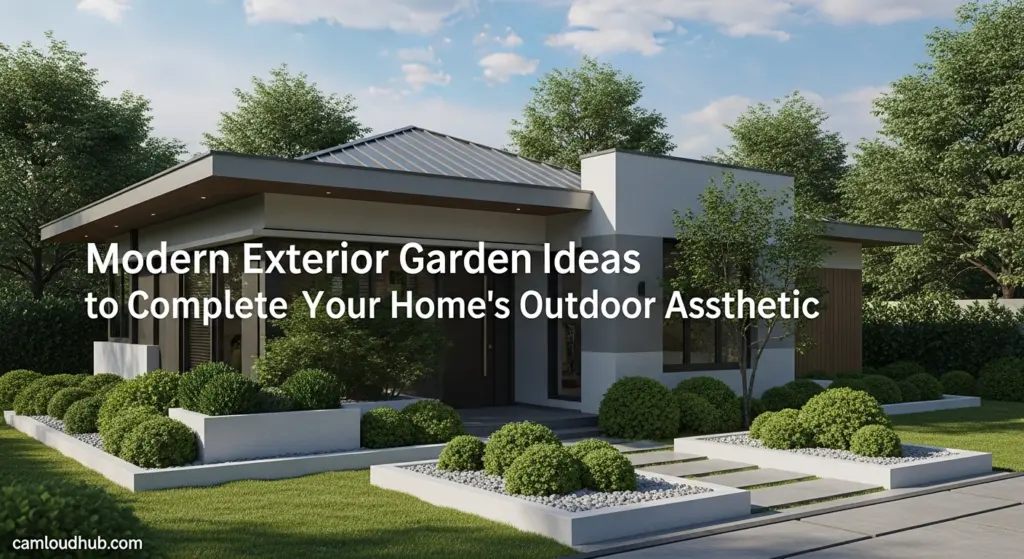
The future of modern exterior garden ideas will likely involve even greater integration of technology, sustainability, and personalized design. Smart irrigation systems, automated lighting, and sensors that monitor soil conditions will become increasingly common. The focus will be on creating gardens that are not only beautiful but also efficient, eco-friendly, and tailored to the specific needs and preferences of the homeowner. Expect to see a rise in the use of recycled materials, vertical farming techniques, and modular garden systems that allow for easy customization and adaptation.
Conclusion
Creating a modern exterior garden is about more than just planting flowers; it’s about designing a space that reflects your personal style, enhances your home’s architecture, and provides a relaxing and enjoyable outdoor living area. By incorporating the ideas and techniques discussed in this article, you can transform your garden into a captivating oasis that you will enjoy for years to come.
From minimalist landscapes and naturalistic designs to vertical gardens and sustainable practices, there are countless possibilities to explore. Embrace your creativity, experiment with different ideas, and create a garden that complements your home and your lifestyle. Remember to consider factors such as your climate, soil conditions, and the amount of sunlight your garden receives. With careful planning and attention to detail, you can create a modern exterior garden that is both beautiful and functional, adding value and enjoyment to your home.