
Understanding the Basics of Outdoor Wall Lighting
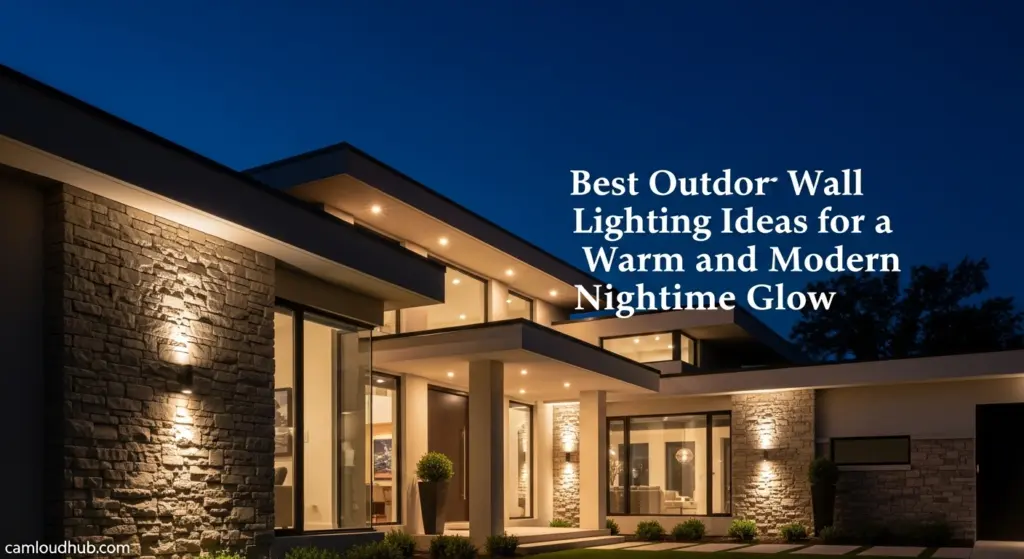
Best Outdoor Wall Lighting Ideas for a Warm and Modern Nighttime Glow – Before diving into specific outdoor wall lighting ideas, it’s crucial to understand the fundamental principles that govern effective outdoor lighting. This section covers essential aspects like light output, color temperature, fixture types, and energy efficiency to ensure your choices are both beautiful and practical.
Light Output: Lumens, Not Watts
For years, we’ve associated brightness with wattage, but the more accurate measurement is lumens. Lumens represent the total amount of visible light emitted by a light source. When selecting outdoor wall lighting, consider the desired ambiance and the area you need to illuminate. A pathway light, for example, might require fewer lumens than a light intended to brighten a large patio. Aim for a balanced approach, avoiding excessive brightness that can create light pollution and disturb neighbors.
A good starting point is researching the recommended lumen output for different outdoor applications, such as security lighting versus ambient lighting. Understanding the difference is crucial to creating the desired effect and avoiding over-illumination. Consider testing different lumen levels to see what works best for your space and personal preferences.
Different applications demand varying lumen levels. Security lights, designed to deter intruders, will naturally require higher lumen outputs; look for options that exceed 800 lumens. For ambient lighting on a patio or deck, a softer, less intense glow is typically preferred. Here, a range between 200 and 400 lumens often suffices, creating a relaxing and inviting atmosphere. Path lighting, essential for safe navigation at night, typically falls in the 100-200 lumen range. Knowing these general guidelines will help you make informed decisions about outdoor wall lighting, ensuring a balanced and functional lighting design. Remember that the height of the fixture and its proximity to reflective surfaces will also influence perceived brightness.
Color Temperature: Setting the Mood
Color temperature, measured in Kelvin (K), significantly impacts the ambiance created by your outdoor wall lighting. Lower Kelvin values (2700K – 3000K) produce a warm, yellowish light, ideal for creating a cozy and inviting atmosphere. Higher Kelvin values (4000K – 5000K) produce a cool, bluish-white light, often preferred for security lighting or areas where visibility is paramount. For most residential outdoor wall lighting ideas, a warm color temperature is recommended, as it complements natural materials like wood and stone and creates a welcoming feel.
The choice of color temperature also impacts how colors appear under the light. Warm light tends to enhance reds and yellows, creating a richer, more vibrant appearance. Cool light, on the other hand, can wash out colors and make them appear more muted. Experiment with different color temperatures to see which best complements your home’s exterior and landscaping. Consider the architectural style of your home as well; a modern home may benefit from a slightly cooler color temperature, while a traditional home may look best with warmer tones. Don’t be afraid to mix and match slightly, but maintain a consistent color temperature within the same area for a more cohesive look.
Types of Outdoor Wall Lighting Fixtures
The market offers a wide array of outdoor wall lighting fixtures, each designed for specific purposes and aesthetic preferences. Understanding the different types allows you to select the most appropriate fixtures for your needs.
- Sconces: These are mounted directly to the wall and provide both upward and downward light. They are versatile and can be used for general illumination or to highlight architectural features.
- Lanterns: These offer a traditional, often decorative look. They typically feature enclosed bulbs and can be adapted to various styles, from rustic to modern.
- Floodlights: These provide broad, intense illumination and are commonly used for security purposes.
- Spotlights: These are used to focus light on specific areas or objects, such as landscaping features or architectural details.
- Downlights: These cast light downward, creating a focused pool of illumination. They are often used to light pathways or doorways.
- Up/Down Lights: These modern fixtures emit light both upwards and downwards, creating a dramatic visual effect.
Consider how you want to use each area of your outdoor space when choosing the type of fixture. For example, sconces might be the perfect choice for flanking a front door, while downlights could be used to illuminate a patio dining area. Think about the architectural style as well; a modern home might benefit from sleek, minimalist sconces, while a traditional home might be better suited to lanterns. The material of the fixture also plays a role; consider materials that complement your home’s exterior and can withstand the elements.
Energy Efficiency: LEDs and Smart Controls
Energy efficiency is paramount when choosing outdoor wall lighting. LEDs (Light Emitting Diodes) are the superior choice due to their long lifespan, low energy consumption, and excellent light quality. They consume significantly less energy than traditional incandescent or halogen bulbs, resulting in lower electricity bills and a reduced environmental impact. Furthermore, LEDs are durable and resistant to temperature changes, making them ideal for outdoor use.
Smart controls, such as timers, motion sensors, and photocells, can further enhance energy efficiency. Timers allow you to schedule when the lights turn on and off, ensuring they are only active when needed. Motion sensors activate lights only when movement is detected, making them ideal for security lighting. Photocell sensors detect ambient light levels and automatically turn lights on at dusk and off at dawn. By incorporating these technologies, you can significantly reduce energy consumption and minimize light pollution. Look for fixtures that are designed to integrate seamlessly with smart home systems for convenient control and automation.
Outdoor Wall Lighting Ideas by Location
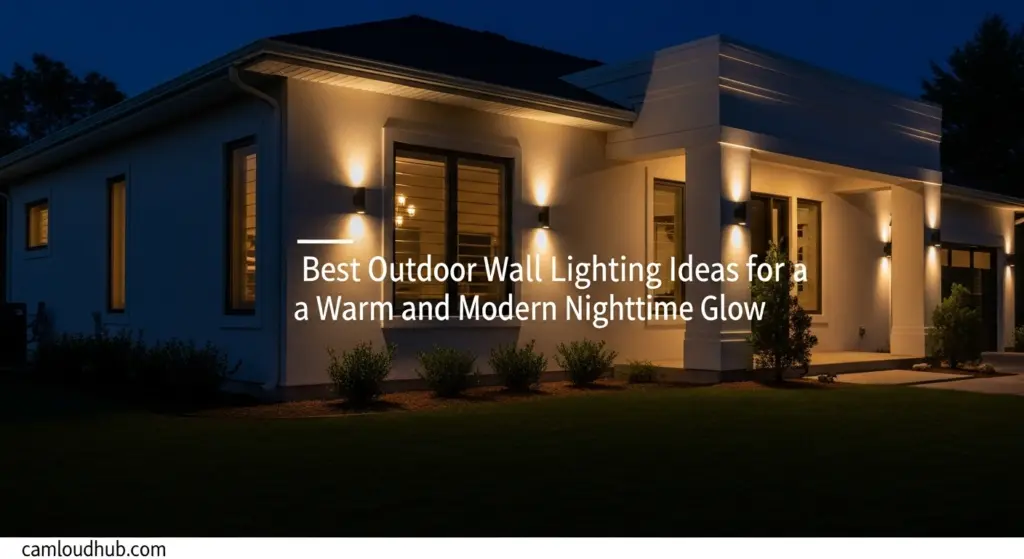
The best outdoor wall lighting ideas are tailored to the specific location and intended use. Lighting for a front porch will differ significantly from lighting for a back patio or a side yard pathway. This section explores location-specific ideas to help you create a cohesive and functional outdoor lighting scheme.
Front Porch Lighting: Creating a Warm Welcome
The front porch is the first impression of your home. Outdoor wall lighting here should be both welcoming and functional, providing adequate illumination for safety and security while creating a warm and inviting ambiance. Sconces or lanterns flanking the front door are classic choices, providing balanced light and enhancing curb appeal.
Consider the size and scale of your porch when selecting fixtures. For a small porch, smaller sconces or lanterns are more appropriate to avoid overwhelming the space. For a larger porch, larger fixtures can make a statement and provide more substantial illumination. Choose fixtures that complement your home’s architectural style; traditional homes might benefit from ornate lanterns, while modern homes might look best with sleek, minimalist sconces. Remember to consider the lighting level needed for navigating steps and pathways safely.
Integrating smart features, like dusk-to-dawn sensors or motion-activated lights, can enhance energy efficiency and security. Dusk-to-dawn sensors automatically turn the lights on at dusk and off at dawn, providing continuous illumination without manual intervention. Motion-activated lights are ideal for deterring intruders and providing temporary illumination when someone approaches the door. Consider using warm-toned LED bulbs (around 2700K) to create a welcoming and inviting atmosphere. Layering light is also an effective technique, combining ambient lighting from sconces with focused lighting from a porch ceiling fixture, if available.
Patio Lighting: Extending Your Indoor Living Space
The patio is an extension of your indoor living space, and outdoor wall lighting should create a comfortable and inviting atmosphere for relaxation and entertaining. String lights, pendant lights, and wall sconces are all popular choices for patio lighting. Wall sconces can provide general illumination, while string lights add a festive touch.
When selecting patio lighting, consider the overall ambiance you want to create. Do you want a cozy and intimate atmosphere, or a brighter and more energetic space? Warm-toned lighting is generally preferred for creating a relaxing atmosphere, while cooler-toned lighting can be used for more active spaces. Consider incorporating dimmers to adjust the light level to suit different occasions.
Wall-mounted fixtures can be particularly effective for patios, especially if you have limited floor space. Up/down lights can create a dramatic visual effect, while sconces provide general illumination. Choose fixtures that are weather-resistant and designed for outdoor use. Think about the materials as well. Fixtures made of rust-resistant metal or durable composite materials will withstand the elements better. Consider the proximity to plants and insects; some light sources attract more insects than others. LED bulbs are generally less attractive to insects than traditional bulbs.
Deck Lighting: Highlighting Architectural Features
Outdoor wall lighting on decks serves both functional and aesthetic purposes. It provides safety and security, allowing you to navigate the deck safely at night, and it can also highlight architectural features, such as railings, steps, and built-in seating.
Incorporate lights into the deck’s structure. Installing lights under railings or along the base of the deck can create a soft, ambient glow. Recessed lights in the deck flooring can provide subtle pathway illumination. Wall-mounted fixtures, such as sconces or downlights, can provide general illumination and highlight architectural features.
Focus on safety by illuminating steps and pathways. Use downlights or recessed lights to provide clear visibility. Consider using motion-activated lights for added security. Choose fixtures that are designed to withstand the elements and are specifically rated for deck lighting. Low-voltage lighting is a safe and energy-efficient option for deck lighting. Always consult with a qualified electrician to ensure proper installation and safety. Consider the view from inside the house; the lighting should complement the interior and create a seamless transition between indoor and outdoor spaces.
Garden and Landscape Lighting: Showcasing Your Greenery
Outdoor wall lighting can transform your garden and landscape at night, showcasing your plants, trees, and other features. Uplighting trees can create a dramatic visual effect, while spotlights can highlight specific plants or sculptures. Path lighting is essential for safe navigation through the garden.
Consider using a variety of lighting techniques to create depth and interest. Combine uplighting, downlighting, and path lighting to create a layered effect. Use different color temperatures to highlight different features. Warm-toned lighting can be used to highlight flowering plants, while cooler-toned lighting can be used to highlight foliage.
Pay attention to the placement of your lights. Avoid placing lights directly in front of windows, as this can create glare and disturb residents. Consider using shielded lights to minimize light pollution. Low-voltage lighting is a safe and energy-efficient option for garden and landscape lighting. Choose fixtures that are designed to withstand the elements and are specifically rated for outdoor use. Think about how the lighting will look during different seasons. Deciduous trees will look different in the winter than they do in the summer, so adjust your lighting accordingly.
Side Yard and Pathway Lighting: Ensuring Safety and Security
Side yards and pathways often get overlooked, but outdoor wall lighting here is crucial for safety and security. Downlights, path lights, and step lights are all excellent choices for illuminating these areas. Downlights can provide general illumination, while path lights guide you along the pathway.
Consider using motion-activated lights for added security. These lights will turn on automatically when someone approaches, deterring intruders and providing added visibility. Choose fixtures that are durable and weather-resistant. Sidewalks and pathways are often subjected to heavy foot traffic, so choose fixtures that can withstand the wear and tear.
Install lights at regular intervals along the pathway to create a consistent and even level of illumination. Use shielded lights to minimize light pollution and prevent glare. Consider using low-voltage lighting for safety and energy efficiency. Ensure that the lighting complies with local building codes and regulations. Consider the style of your home and choose fixtures that complement the overall aesthetic. The goal is to provide sufficient illumination for safe passage without creating unnecessary light pollution or disturbing neighbors.
Design Considerations for Outdoor Wall Lighting
Beyond the specific locations, several overarching design considerations impact the effectiveness of your outdoor wall lighting. This section explores essential elements like style, material selection, light layering, minimizing light pollution, and utilizing smart home integration to achieve a cohesive and impactful outdoor lighting scheme.
Choosing the Right Style to Complement Your Home
The style of your outdoor wall lighting should complement your home’s architectural style and your personal aesthetic. A modern home might look best with sleek, minimalist fixtures, while a traditional home might be better suited to ornate lanterns or sconces. Consider the materials, finishes, and overall design of the fixtures to ensure they harmonize with your home’s exterior.
Research different styles of outdoor wall lighting and gather inspiration from magazines, websites, and home improvement stores. Pay attention to the details, such as the shape of the fixtures, the type of glass used, and the overall finish. Consider the scale of the fixtures as well. Large fixtures can make a statement on a large home, while smaller fixtures are more appropriate for smaller homes.
Don’t be afraid to mix and match styles, but maintain a cohesive theme. For example, you could use modern sconces on the front porch and more traditional lanterns in the garden, as long as the overall lighting scheme feels balanced and harmonious. Consider the color of your home’s exterior as well. Darker homes may benefit from lighter-colored fixtures, while lighter homes may look best with darker-colored fixtures. The goal is to create a lighting scheme that enhances your home’s beauty and reflects your personal style.
Material Selection: Durability and Aesthetics
The materials used in outdoor wall lighting fixtures play a crucial role in both durability and aesthetics. Choose materials that are weather-resistant and can withstand the harsh outdoor elements, such as rain, snow, sun, and wind. Common materials include aluminum, stainless steel, copper, brass, and composite materials.
Aluminum is a lightweight and relatively inexpensive option that is resistant to rust and corrosion. Stainless steel is a more durable and premium option that is also resistant to rust and corrosion. Copper and brass are classic materials that develop a beautiful patina over time, adding character and charm to your outdoor lighting. Composite materials are a durable and low-maintenance option that can mimic the look of natural materials like wood or stone.
Consider the finish of the fixtures as well. Powder coating is a durable and long-lasting finish that is resistant to scratches and fading. Oil-rubbed bronze is a classic finish that adds warmth and character to outdoor lighting. Brushed nickel is a modern finish that is sleek and sophisticated. Pay attention to the quality of the materials and construction of the fixtures. Choose fixtures that are well-made and designed to last.
Ultimately, the best material for you will depend on your budget, style preferences, and the specific environmental conditions in your area. In coastal environments, for example, you need to choose materials that are highly resistant to salt corrosion.
Layering Light for Depth and Ambiance
Layering light is a fundamental principle of good lighting design, both indoors and outdoors. It involves combining different types of light to create depth, interest, and ambiance. The three main layers of light are ambient lighting, task lighting, and accent lighting.
- Ambient lighting provides general illumination and sets the overall mood of the space. Wall sconces, lanterns, and string lights are common sources of ambient lighting.
- Task lighting provides focused illumination for specific tasks, such as reading, cooking, or walking. Downlights, spotlights, and step lights are examples of task lighting.
- Accent lighting highlights specific features, such as plants, sculptures, or architectural details. Uplights, spotlights, and directional lights are often used for accent lighting.
By layering these three types of light, you can create a dynamic and visually appealing outdoor lighting scheme. For example, you could use wall sconces to provide ambient lighting on a patio, downlights to illuminate a dining table, and spotlights to highlight a nearby garden. Overlap various light sources and outputs to achieve a balanced and interesting effect.
Minimizing Light Pollution: Responsible Outdoor Lighting
Light pollution is a growing concern, and it’s important to be mindful of its impact when designing your outdoor wall lighting. Excessive and poorly directed lighting can disrupt wildlife, obscure the night sky, and waste energy. There are several ways to minimize light pollution while still providing adequate illumination for safety and security.
Use shielded lights that direct light downward, preventing it from shining upwards or sideways. Avoid using excessively bright lights. Choose the lowest lumen output that provides adequate illumination for your needs. Use timers, motion sensors, and photocells to ensure that lights are only on when needed. Aim light where you need it, and avoid illuminating areas that don’t require lighting.
Consider using amber or red-colored lights, as these colors are less disruptive to wildlife. Educate yourself about local light pollution ordinances and regulations. Be a responsible steward of the night sky and protect the environment for future generations. Dark Sky compliant fixtures further minimize light trespass and glare.
Smart Home Integration: Control and Automation
Smart home technology offers unprecedented control and automation for outdoor wall lighting. Smart lights can be controlled remotely via smartphone apps, voice commands, or automated schedules. This allows you to easily adjust the brightness, color temperature, and on/off times of your lights from anywhere.
Integrate your outdoor wall lighting with other smart home devices, such as security systems, thermostats, and entertainment systems. For example, you could set your outdoor lights to turn on automatically when your security system is armed or when motion is detected. Create custom lighting scenes for different occasions, such as a welcoming scene for guests or a security scene for when you’re away.
Remote monitoring allows you to check the status of your lights and turn them on or off remotely, which can be useful for deterring intruders or ensuring that your home is well-lit when you’re arriving home late at night. Voice control makes it easy to adjust your lights with simple voice commands. With smart home integration, you can create a truly intelligent and automated outdoor lighting system that enhances your home’s security, convenience, and energy efficiency.
Installation and Maintenance of Outdoor Wall Lighting
Proper installation and regular maintenance are essential for ensuring the longevity and performance of your outdoor wall lighting. This section provides guidance on safe installation practices, weatherproofing techniques, bulb replacement, cleaning, and troubleshooting common issues.
Safe Installation Practices: Hiring a Professional vs. DIY
Installing outdoor wall lighting can be a rewarding DIY project, but it’s crucial to prioritize safety. If you are not comfortable working with electricity or lack the necessary experience, it’s best to hire a qualified electrician. Working with electricity can be dangerous, and improper installation can lead to electrical shocks, fires, or other hazards.
If you choose to DIY, always turn off the power at the breaker before working on any electrical wiring. Use the proper tools and follow the manufacturer’s instructions carefully. Check your local building codes and regulations to ensure that your installation complies with all applicable requirements.
Obtain all necessary permits before beginning the installation. When handling electrical wires, always wear rubber gloves and safety glasses. Exercise caution when working at heights. Use a sturdy ladder and have someone spot you. Double-check your work to ensure that all connections are secure and properly insulated. After installation, test the lights to verify that they are functioning correctly.
Weigh the cost of hiring a professional against the potential risks and rewards of DIY installation. If you’re unsure about any aspect of the installation, it’s always best to err on the side of caution and hire an electrician.
Weatherproofing Your Fixtures: Protecting Against the Elements
Outdoor wall lighting fixtures are exposed to the elements, so it’s essential to weatherproof them properly to prevent damage and ensure longevity. Choose fixtures that are designed for outdoor use and are specifically rated for wet or damp locations.
Apply sealant around the edges of the fixtures to prevent water from seeping in. Use weatherproof connectors to protect electrical connections from moisture. Inspect your fixtures regularly for signs of damage, such as cracks, rust, or corrosion. Replace any damaged fixtures immediately.
Protect your fixtures from direct sunlight. Prolonged exposure to sunlight can cause fading and discoloration. Consider using a UV-resistant coating to protect your fixtures from the sun’s harmful rays. Direct light sources away from areas that will cause glare or disrupt neighbors. Proper preparation and prevention will help keep your lighting performing at its best.
Bulb Replacement and Maintenance
Regular bulb replacement and maintenance are essential for ensuring that your outdoor wall lighting is functioning properly. LED bulbs have a long lifespan, but they will eventually need to be replaced.
Before replacing a bulb, turn off the power at the breaker. Use the correct type of bulb for your fixture. Follow the manufacturer’s instructions for bulb replacement. Clean your fixtures regularly to remove dirt, dust, and debris. Use a soft cloth and a mild detergent. Avoid using harsh chemicals or abrasive cleaners. Inspect your fixtures regularly for signs of damage, such as cracks, rust, or corrosion. Replace any damaged fixtures immediately. Keep the fixture area free of debris, such as fallen leaves or spiderwebs.
Troubleshooting Common Issues
Despite your best efforts, you may encounter occasional issues with your outdoor wall lighting. Here are some common problems and how to troubleshoot them:
- Lights not turning on: Check the bulb, the power switch, and the breaker. If the bulb is burned out, replace it. If the power switch is off, turn it on. If the breaker is tripped, reset it.
- Lights flickering: Check the bulb, the wiring, and the voltage. If the bulb is loose, tighten it. If the wiring is loose, tighten the connections. If the voltage is low, contact an electrician.
- Lights are dim: The bulbs may be old or dirty. Try cleaning or replacing the bulbs.
- Lights are attracting insects: Use yellow- or amber-colored bulbs, as these colors are less attractive to insects.
- Lights are causing glare: Use shielded lights to direct light downward.
If you’re unable to troubleshoot the problem yourself, contact a qualified electrician.
Examples of Inspiring Outdoor Wall Lighting Designs
Seeing real-world examples can spark creativity and help you visualize how outdoor wall lighting can transform your home. This section showcases a range of inspiring designs, each highlighting different styles, techniques, and applications.
Modern Minimalism: Sleek Lines and Subtle Illumination
Modern minimalist outdoor wall lighting emphasizes clean lines, simple shapes, and subtle illumination. These designs often feature recessed lighting, linear fixtures, and understated sconces. The focus is on creating a sophisticated and uncluttered look.
One example is a modern home with a dark gray exterior and sleek, brushed-aluminum sconces on either side of the front door. The sconces emit a soft, warm glow that complements the home’s minimalist aesthetic. Another example is a patio with recessed lighting installed under the eaves. The recessed lighting provides subtle illumination without detracting from the clean lines of the architecture. Consider integrating these elements into your own designs.
Rustic Charm: Warm Tones and Natural Materials
Rustic charm outdoor wall lighting embraces warm tones, natural materials, and vintage-inspired designs. These designs often feature lanterns, sconces made of wood or metal, and Edison-style bulbs. The focus is on creating a cozy and inviting atmosphere. These styles often incorporate the surrounding environment.
One example is a farmhouse with a weathered wood exterior and a vintage-style lantern hanging next to the front door. The lantern emits a warm, amber glow that adds to the home’s rustic charm. Another example is a garden with spotlights highlighting a stone water feature. The spotlights showcase the natural beauty of the stone and create a tranquil atmosphere. Consider using these elements to add a touch of rustic charm to your outdoor spaces.
Coastal Retreat: Nautical Influences and Weathered Finishes
Coastal retreat outdoor wall lighting draws inspiration from the sea, featuring nautical elements, weathered finishes, and colors that evoke the beach. These designs often feature lanterns with nautical details, sconces made of brass or copper, and glass shades that mimic the texture of sea glass. The focus is on creating a relaxed and breezy atmosphere.
One example is a beach house with a light blue exterior and nautical-style lanterns flanking the front door. The lanterns emit a soft, white glow that complements the home’s coastal aesthetic. Another example is a deck with string lights strung between posts. The string lights add a festive touch and create a relaxed atmosphere.
Contemporary Chic: Bold Statements and Geometric Shapes
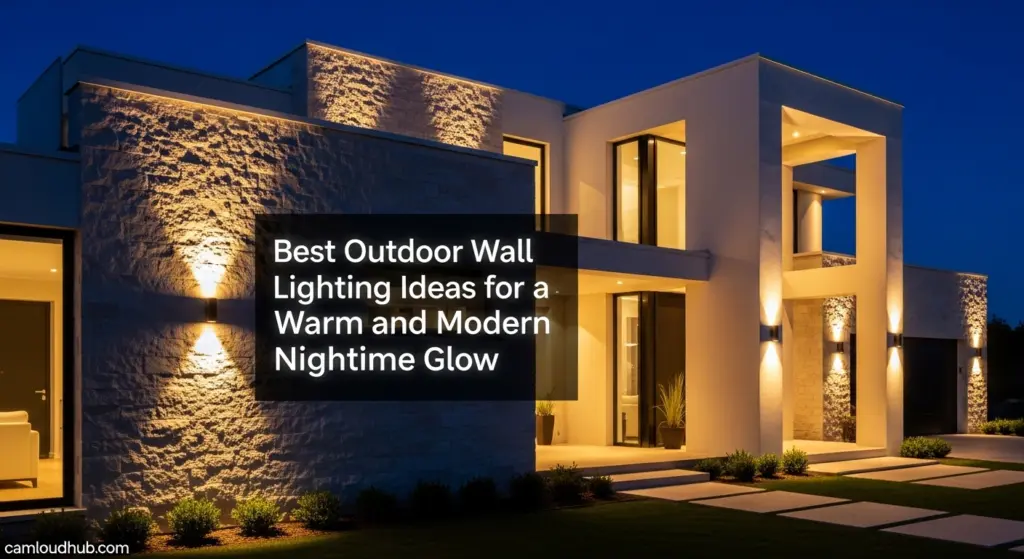
Contemporary chic outdoor wall lighting embraces bold statements, geometric shapes, and unexpected materials. These designs often feature asymmetrical fixtures, LED strip lighting, and sculptural sconces. The focus is on creating a dramatic and modern look.
Use strategically placed lighting to highlight the best of your exterior design, and create an impact. One example is a modern home with a white exterior and angular sconces lining the driveway. Another example is an outdoor sculpture garden illuminated with spotlights.
Conclusion
Choosing the right outdoor wall lighting ideas involves careful consideration of several factors, including light output, color temperature, fixture types, style, and energy efficiency. By understanding these principles and applying them to your specific needs and preferences, you can create a warm and modern nighttime glow that enhances your home’s beauty, security, and functionality.
Remember to prioritize safety during installation and to maintain your fixtures regularly to ensure their longevity. By embracing innovative technologies like LEDs and smart home integration, you can create an outdoor lighting system that is both beautiful and sustainable. Investing in quality outdoor wall lighting is an investment in your home’s curb appeal, your personal safety, and your overall quality of life.