
Understanding Timeless Architectural Styles
Designing a Timeless Exterior: Classic Elements That Never Go Out of Style – Certain architectural styles inherently lend themselves to timelessness. Understanding these can provide a solid foundation for your exterior design choices. These styles prioritize enduring beauty and functionality over fleeting trends.
Colonial Revival: Embracing Symmetry and Tradition
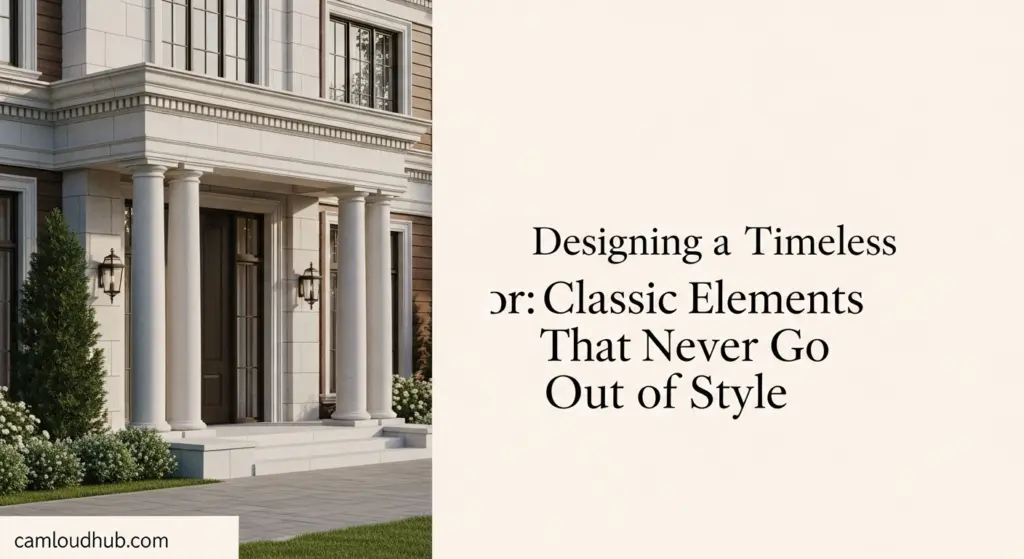
Colonial Revival architecture, popular in the United States from the late 19th century through the mid-20th century, draws inspiration from America’s colonial past. Key timeless exterior design elements of this style include symmetrical facades, centered entry doors, multi-pane windows (often double-hung), and restrained ornamentation.
Common materials include brick, wood siding (clapboard or shingle), and painted trim. The emphasis on balance and order creates a sense of stability and elegance that remains appealing. Think of a stately two-story home with perfectly aligned windows and a welcoming front porch – that’s Colonial Revival at its finest. Details like decorative shutters, crown molding around windows and doors, and a prominent front door pediment further enhance the classic look. Low-pitched roofs with gabled dormers are also characteristic features. Landscaping often complements the symmetry of the house, featuring neatly trimmed shrubs and well-defined walkways.
The enduring popularity of Colonial Revival homes demonstrates the lasting appeal of its balanced and refined aesthetic, solidifying its place as a cornerstone of timeless exterior design. It’s a style that whispers of history and tradition, radiating a sense of dignified charm and enduring beauty. For a modern take, consider simplifying ornamentation while retaining the core symmetrical features.
Craftsman: Honoring Handcraftsmanship and Natural Materials
The Craftsman style, emerging in the early 20th century, champions handcrafted details, natural materials, and a connection to the surrounding environment. Timeless exterior design elements here include low-pitched gabled roofs with wide overhanging eaves, exposed rafter tails, and prominent front porches supported by sturdy columns (often tapered or square). Natural materials like wood siding (shingle or clapboard), stone accents, and brick are favored.
The aesthetic emphasizes simplicity, functionality, and a focus on quality craftsmanship. Large windows, often with divided lights in the upper sash, allow ample natural light to flood the interior. Earthy color palettes further integrate the home into its natural setting. Think of a comfortable bungalow with a welcoming front porch, showcasing exposed wood beams and handcrafted details – that embodies the essence of Craftsman style. Elements like built-in benches on the porch, decorative brackets under the eaves, and handcrafted front doors further enhance the authentic Craftsman feel. Landscaping often embraces natural elements, with native plants and informal gardens blending seamlessly with the architecture.
The Craftsman style remains a popular choice for those seeking a warm, inviting, and timeless home exterior, celebrating the beauty of natural materials and the artistry of handcrafted details. Its emphasis on simple elegance and connection to nature ensures its enduring appeal for generations to come. When adapting this style for a modern home, consider incorporating sustainable materials and energy-efficient features while maintaining the core design principles.
Traditional Farmhouse: Embracing Simplicity and Functionality
Traditional Farmhouse architecture embodies simplicity, functionality, and a connection to the land. Its timeless appeal stems from its practicality and unpretentious design. Timeless exterior design elements commonly found include symmetrical or asymmetrical gabled roofs, often clad in durable materials like wood or metal. Wide, welcoming porches are a defining feature, providing ample space for relaxation and socializing. Practicality dictates the use of durable materials like wood siding (often painted white or in muted colors), board and batten siding, or stone foundations.
Large windows are essential for maximizing natural light. A farmhouse aesthetic prioritizes functionality and comfort, often with simple, unadorned details. Think of a charming two-story home with a large wrap-around porch, painted in a crisp white with black shutters – that evokes the essence of traditional farmhouse style. Elements like a simple front door, practical landscaping with flowering plants and vegetable gardens, and outdoor furniture like rocking chairs further enhance the welcoming feel. Barn-style doors or details, such as cupolas, can also add to the farmhouse charm. The lack of excessive ornamentation contributes to the style’s enduring appeal.
Modern interpretations often incorporate energy-efficient windows and sustainable materials while preserving the core design principles. The traditional farmhouse style evokes a sense of warmth, comfort, and connection to the land, making it a timeless choice for those seeking a practical and inviting home exterior. It represents a simpler way of life, focusing on comfort and functionality over fleeting trends.
Cape Cod: The Epitome of New England Simplicity
The Cape Cod style, originating in New England, is celebrated for its simple, symmetrical design and practical functionality. Its enduring appeal lies in its understated elegance and adaptable nature. Core timeless exterior design elements include a simple, rectangular shape, typically one or one and a half stories, with a steep, gabled roof. Centered entry doors are common, often flanked by symmetrically placed multi-pane windows. Wood siding, typically clapboard or shingle, is a hallmark of the style. Minimal ornamentation and a focus on functionality contribute to its timeless appeal.
Cape Cod homes are known for their resilience against harsh weather, with low profiles and sturdy construction. Imagine a cozy, symmetrical home with a centered front door, clad in weathered gray shingles and adorned with white trim – that perfectly captures the essence of Cape Cod architecture. Shutters, often painted black or dark green, add a touch of visual interest. Simple landscaping complements the unpretentious design. Dormers are sometimes added to the roof to provide additional light and space on the upper level.
The Cape Cod style remains a beloved choice for its understated charm, practicality, and historical significance. Modern adaptations often incorporate larger windows and open floor plans while retaining the core design elements. The Cape Cod style epitomizes New England simplicity, offering a timeless and adaptable design that continues to resonate with homeowners. Its clean lines and functional design ensure its lasting appeal.
Key Timeless Exterior Design Elements
Moving beyond architectural styles, certain individual design elements consistently contribute to a timeless exterior. These elements focus on quality materials, classic proportions, and enduring aesthetics.
Roofing: Durability and Classic Materials
The roof is a crucial element of any exterior, both functionally and aesthetically. Choosing durable materials in classic styles is essential for creating a timeless exterior design. Asphalt shingles, while practical and cost-effective, can be upgraded to architectural shingles for a more dimensional and visually appealing look. Slate roofs, with their inherent durability and elegant appearance, are a classic choice that can last for generations. Tile roofs, particularly clay tiles, offer a warm and textured aesthetic that complements various architectural styles.
Metal roofs, known for their longevity and energy efficiency, are increasingly popular and can be styled to mimic traditional materials. The color and texture of the roofing material should complement the overall color scheme and architectural style of the house. Steer clear of trendy colors or overly ornate designs that may quickly become dated. A well-chosen roof not only protects the home from the elements but also significantly contributes to its timeless aesthetic. Consider the long-term cost-effectiveness of investing in high-quality roofing materials, as they can save money on repairs and replacements in the future. A classic roof is a cornerstone of a timeless exterior.
Siding: Choosing Materials That Endure
Exterior siding plays a significant role in the longevity and visual appeal of a home. Selecting materials that offer both durability and timeless aesthetics is paramount. Wood clapboard, with its classic New England charm, remains a popular choice, offering a natural and warm aesthetic. However, it requires regular maintenance to protect it from weather and pests. Fiber cement siding provides a durable and low-maintenance alternative to wood, mimicking its appearance while resisting rot, insects, and fire. Brick siding offers a timeless and robust look, requiring minimal maintenance and providing excellent insulation.
Stone siding, whether natural or manufactured, adds a touch of elegance and permanence to the exterior. Vinyl siding, while cost-effective, can sometimes appear dated if not chosen carefully. Opt for higher-quality vinyl siding with a realistic wood-grain texture and avoid overly bright or trendy colors. The color of the siding should complement the architectural style and surrounding landscape.
Choose neutral colors or classic shades like white, gray, beige, or muted greens and blues for a timeless appeal. Careful consideration of siding materials ensures a durable and aesthetically pleasing exterior that will stand the test of time. Avoid trendy textures or patterns that may quickly become outdated. Instead, prioritize classic materials and colors that exude a sense of enduring quality.
Windows and Doors: The Eyes of the House
Windows and doors are crucial focal points of any home exterior, significantly impacting its overall aesthetic. Selecting windows and doors with timeless exterior design elements in mind is paramount. Opt for classic window styles like double-hung, casement, or awning windows, avoiding overly ornate or trendy designs. Window grids, or muntins, can add a touch of traditional elegance. Choose durable materials like wood, clad-wood, or fiberglass for lasting quality and resistance to weathering.
Entry doors should be solid and well-crafted, reflecting the architectural style of the home. Wood doors offer a warm and inviting aesthetic, while fiberglass doors provide durability and low maintenance. Consider adding sidelights or a transom window above the door to enhance natural light and create a grander entrance. Door hardware, such as knobs, handles, and hinges, should be chosen with care, complementing the overall style and finish. Avoid overly modern or trendy hardware that may clash with a classic exterior.
Window and door color should coordinate with the siding and trim, creating a cohesive and visually appealing look. Classic colors like white, black, gray, or muted earth tones are always a safe bet. Investing in high-quality windows and doors not only enhances the aesthetic appeal of the home but also improves energy efficiency and security. Well-designed windows and doors are essential for creating a timeless exterior design.
Porches and Entries: Creating a Welcoming Ambiance
Porches and entryways are essential components of a timeless exterior design, creating a welcoming ambiance and enhancing curb appeal. A well-designed porch provides a space for relaxation, socializing, and enjoying the outdoors. Consider the architectural style of the home when designing the porch, ensuring that it complements the overall aesthetic. Traditional porches often feature classic columns, railings, and trim details. Materials like wood, brick, or stone can be used to create a durable and visually appealing porch floor. The size of the porch should be proportional to the size of the house.
A small porch can feel cramped, while an overly large porch can overwhelm the façade. The entryway should be clearly defined and inviting, guiding visitors to the front door. A well-lit entryway enhances safety and security. Consider adding decorative lighting fixtures, such as sconces or pendant lights, to create a warm and welcoming glow. Landscaping can also play a significant role in enhancing the entryway.
Plant flowers, shrubs, or trees to add color and texture to the area. A well-maintained walkway leading to the front door is essential for creating a welcoming and accessible entrance. Porches and entries are opportunities to express your personal style and create a lasting impression. Consider adding personal touches, such as potted plants, outdoor furniture, or decorative accessories, to create a unique and inviting space. A welcoming porch and entryway are hallmarks of a timeless exterior design.
Trim and Details: Adding Character and Refinement
Trim and architectural details are essential for adding character and refinement to a timeless exterior design. Trim includes elements like window and door casings, corner boards, fascia boards, soffits, and decorative moldings. These details help to define the architectural style of the home and create visual interest. Classic trim designs often feature simple, clean lines and restrained ornamentation. Avoid overly ornate or trendy trim details that may quickly become dated. Choose durable materials like wood, PVC, or fiber cement for trim that will withstand the elements and require minimal maintenance.
The color of the trim should complement the siding and roofing, creating a cohesive and visually appealing look. White trim is a classic choice that works well with a variety of siding colors. Consider adding architectural details like shutters, gables, dormers, or cupolas to enhance the character and visual interest of the home. Shutters should be appropriately sized and styled for the windows, adding a touch of charm and authenticity.
Gables and dormers can add visual interest to the roofline, while cupolas can provide ventilation and add a decorative element. Architectural details should be carefully chosen to complement the architectural style of the home and avoid overwhelming the façade. Well-chosen trim and details can elevate a simple home exterior to a timeless masterpiece.
Enhancing Timelessness Through Landscaping
The surrounding landscape significantly impacts the overall aesthetic of a home, so incorporating landscaping elements that complement the timeless exterior design is important. A well-designed landscape can enhance curb appeal, increase property value, and create a welcoming outdoor space.
Foundation Plantings: Creating a Harmonious Base
Foundation plantings are an integral part of any landscape design, creating a harmonious base for the home and softening its architectural lines. Choose plants that complement the architectural style and color scheme of the house. Avoid overly large or fast-growing plants that may eventually obscure the façade. Consider the mature size of the plants when selecting them, ensuring that they will not outgrow the space.
Plant a variety of shrubs, flowers, and groundcovers to add texture and visual interest. Use evergreen shrubs to provide year-round greenery and structure. Flowering plants can add pops of color and attract pollinators. Groundcovers can help to suppress weeds and prevent soil erosion. Arrange the plants in a natural and organic manner, avoiding overly formal or symmetrical designs.
Consider the sun exposure, soil type, and drainage when selecting plants. Choose plants that are well-suited to the local climate and growing conditions. Proper watering and fertilization are essential for maintaining healthy foundation plantings. Regularly prune and trim the plants to maintain their shape and size. Foundation plantings can transform a stark and uninviting façade into a warm and welcoming home. Carefully selecting and arranging plants can enhance the architectural features of the house and create a visually appealing landscape. Well-maintained foundation plantings are a sign of pride and attention to detail, adding to the overall curb appeal of the home.
Hardscaping: Pathways, Patios, and Walls
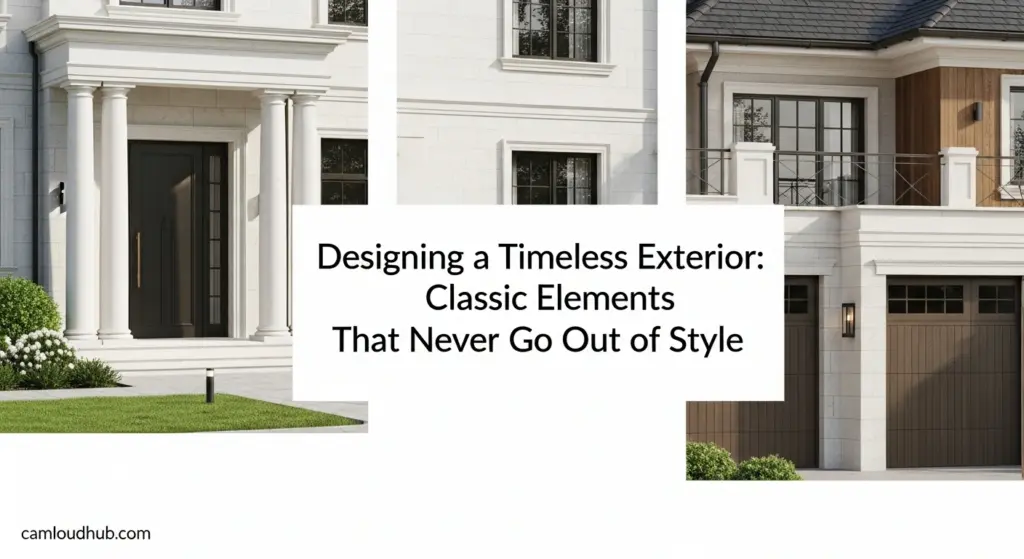
Hardscaping elements, such as pathways, patios, and walls, can add structure, functionality, and visual interest to the landscape. When selecting hardscaping materials, consider the architectural style of the home and the overall aesthetic of the landscape. Natural stone, brick, and concrete are classic choices that complement a variety of architectural styles. Pathways should be well-defined and easy to navigate, guiding visitors to the front door or other areas of the yard.
Patios provide a space for outdoor entertaining and relaxation. Walls can be used to define boundaries, create privacy, or retain soil. Choose hardscaping materials that are durable and weather-resistant. Consider the color and texture of the materials, ensuring that they complement the surrounding landscape. Proper installation is essential for ensuring the longevity and stability of hardscaping elements. Patios should be properly graded to prevent water from pooling. Walls should be properly constructed to prevent collapse.
Well-designed hardscaping elements can enhance the functionality and beauty of the landscape, creating a welcoming and enjoyable outdoor space. Consider incorporating lighting into the hardscaping design to enhance safety and visibility at night. Pathways can be illuminated with path lights or lanterns. Patios can be lit with string lights or spotlights. The addition of hardscaping elements can significantly enhance the value and appeal of the home.
Curb Appeal: Making a Lasting First Impression
Curb appeal refers to the overall attractiveness of a home from the street. It is the first impression that visitors and potential buyers have of the property. Enhancing curb appeal is an excellent way to increase property value and create a welcoming environment. Keeping the lawn well-maintained is essential for creating a positive first impression. Regularly mow, fertilize, and weed the lawn to keep it looking its best. Trim shrubs and trees to maintain their shape and prevent them from overgrowing.
Plant flowers and add mulch to enhance the beauty of the landscaping. Pressure wash the siding, driveway, and walkways to remove dirt and grime. Repair or replace any damaged or worn-out exterior features, such as siding, roofing, or windows. Paint the front door to add a pop of color and create a focal point. Add decorative features, such as potted plants, outdoor furniture, or a welcome mat, to create a welcoming ambiance.
Ensure that the house number is clearly visible and easy to read. Illuminate the walkways and entryway to enhance safety and visibility at night. A well-maintained and visually appealing exterior conveys a sense of pride and attention to detail. Enhancing curb appeal can increase property value, attract buyers, and create a welcoming environment for friends and family.
The Importance of Symmetry and Balance
Symmetry and balance are fundamental principles of design that contribute to a sense of harmony and order. Incorporating these principles into the exterior design can create a visually appealing and timeless aesthetic. Symmetrical designs feature identical elements on either side of a central axis. This creates a sense of balance and formality. Asymmetrical designs feature different elements on either side of a central axis, but with a sense of visual equilibrium.
Balance can be achieved through the use of different colors, shapes, and textures. When designing a symmetrical exterior, ensure that windows, doors, and other architectural features are evenly spaced and proportioned. Plantings should also be arranged symmetrically, with identical shrubs and flowers on either side of the entrance. When designing an asymmetrical exterior, create balance by using different sized plants or architectural features on either side of the house. Use color to create visual weight and balance.
Darker colors appear heavier than lighter colors. Incorporating symmetry and balance into the timeless exterior design creates a sense of visual harmony and order, enhancing the overall aesthetic of the home. These principles are fundamental to classic design styles and contribute to a timeless and enduring appeal.
Color Palettes for a Timeless Exterior
Choosing the right color palette is crucial for creating a timeless exterior design. Timeless colors are those that remain appealing across different eras and styles. Neutral colors provide a versatile backdrop that can be easily updated with accessories and landscaping.
Classic Neutrals: Whites, Greys, and Beiges
Neutral colors offer timeless appeal by providing a backdrop that showcases architectural details and landscaping. Whites are classic and versatile, offering a clean and crisp look. Creamy whites provide warmth, while cooler whites offer a modern edge. Grays are sophisticated and elegant, ranging from light and airy to deep and dramatic.
Beiges are warm and inviting, creating a comfortable and understated look. When selecting neutral colors, consider the undertones. Warm undertones, such as yellow or red, create a cozy and inviting feel. Cool undertones, such as blue or green, create a crisp and modern feel. Pair neutral siding with complementary trim colors to add visual interest. White trim is a classic choice that works well with a variety of neutral siding colors.
Darker trim colors can add contrast and highlight architectural details. Use neutral colors as a foundation for the exterior color scheme, adding pops of color with landscaping and accessories. Neutral colors are a timeless choice.
Timeless Accent Colors: Earth Tones, Blues, and Greens
While neutral colors form a solid foundation, incorporating timeless accent colors can add personality and visual interest to the exterior. Earth tones, such as browns, tans, and rusts, create a natural and organic feel. Blues are calming and serene, ranging from light and airy sky blues to deep and sophisticated navy blues.
Greens evoke nature and tranquility, ranging from soft and muted sage greens to rich and vibrant forest greens. Use accent colors sparingly, focusing on architectural details such as front doors, shutters, or trim. A brightly colored front door can create a welcoming focal point. Shutters can add a pop of color that complements the siding. Trim can be painted in a contrasting color to highlight architectural details.
Consider the architectural style of the home when selecting accent colors. Earth tones complement traditional styles, while blues and greens work well with coastal or cottage styles. Balance the use of accent colors with neutral siding and trim to maintain a timeless and sophisticated look. Avoid overly bright or trendy colors that may quickly become dated. Timeless accent colors can enhance the curb appeal.
Avoiding Trendy Color Schemes
Trends in exterior color schemes can come and go quickly, resulting in a home that looks dated sooner than expected. Avoiding trendy colors and embracing classic choices is essential for achieving a timeless exterior design. Steer clear of overly bright or neon colors, as they can be overwhelming and visually jarring. Avoid trendy color combinations that may be popular one year but outdated the next.
Focus on timeless and classic color schemes that have stood the test of time. Consider the architectural style of the home when selecting colors. Traditional styles often benefit from classic color schemes, while modern styles can accommodate more contemporary color combinations. Avoid using too many different colors on the exterior, as this can create a cluttered and chaotic look. Stick to a limited palette of colors that complement each other. When in doubt, consult with a professional designer to help you choose a timeless color palette for your home.
The Importance of Quality Materials and Craftsmanship
Quality materials and craftsmanship are crucial for creating a timeless exterior design. Investing in durable materials and skilled labor ensures that the exterior will withstand the test of time and maintain its beauty for years to come.
Investing in Durable Materials
Choosing durable materials is critical for creating a long-lasting and visually appealing exterior. Durable materials resist weathering, rot, insects, and other forms of damage. Natural materials, such as wood, stone, and brick, are known for their durability and timeless appeal. Engineered materials, such as fiber cement and composite siding, offer durability and low maintenance.
Select materials that are appropriate for the local climate and weather conditions. In areas with harsh winters or heavy rainfall, choose materials that can withstand extreme temperatures and moisture. Consider the long-term cost of materials when making your selections. While durable materials may be more expensive upfront, they can save money in the long run by reducing the need for repairs and replacements.
Proper installation is essential for ensuring the durability and longevity of exterior materials. Hire qualified contractors who have experience working with the chosen materials. Investing in durable materials is a smart choice for creating a timeless exterior design that will last for generations.
Finding Skilled Craftspeople
Skilled craftspeople are essential for ensuring that the exterior is built to last and looks its best. Craftspeople with experience in traditional building techniques can create custom details that add character and charm to the home. Reputable contractors have a proven track record of quality workmanship and satisfied clients. Ask for references and review their portfolio of past projects.
Obtain multiple bids from different contractors to compare pricing and services. Check the contractor’s licensing and insurance to ensure that they are qualified to perform the work. Communicate clearly with the contractor about your goals and expectations. Skilled craftspeople take pride in their work and are committed to providing exceptional results. Investing in skilled labor is a wise decision that will result in a higher-quality and more durable exterior. Their craftsmanship will enhance the timeless exterior design of your home.
The Longevity of Well-Built Structures
Well-built structures, crafted with quality materials and skilled labor, stand the test of time, showcasing enduring beauty and functionality. A solid foundation provides a stable base for the home, preventing structural problems in the future. Proper framing ensures that the walls and roof are straight and strong. Quality roofing materials protect the home from the elements.
Durable siding materials resist weathering and damage. Attention to detail in the construction process ensures that all elements are properly installed and aligned. Regular maintenance is essential to preserve the longevity of well-built structures. Inspect the exterior regularly for signs of damage or wear. Repair any problems promptly to prevent them from worsening. Clean the siding, roofing, and gutters to remove dirt and debris. Seal or paint the exterior surfaces to protect them from the elements.
A well-maintained structure retains its value and beauty over time. The longevity of well-built structures is a testament to the importance of quality materials and skilled craftsmanship. These elements contribute to the timeless exterior design that is admired for generations.
Modern Interpretations of Timeless Design
While adhering to classic principles is important, modern interpretations of timeless design can incorporate contemporary features and technologies while maintaining a sense of enduring style.
Incorporating Energy Efficiency
Energy efficiency is a growing priority for homeowners, and it can be seamlessly integrated into a timeless exterior design. Energy-efficient windows and doors reduce heat loss and improve insulation. Install energy-efficient windows with low-E coatings and insulated frames. Choose entry doors with tight seals and insulated cores. Energy-efficient insulation reduces energy consumption and improves comfort. Insulate walls, attics, and basements with high-performance insulation materials.
Energy-efficient roofing materials reflect sunlight and reduce heat absorption. Install cool roofs or green roofs to lower energy costs. Energy-efficient lighting reduces energy consumption and enhances the exterior appearance. Use LED lighting fixtures for patios, walkways, and landscaping. Incorporating energy efficiency into the exterior design not only saves money on utility bills but also enhances the sustainability and environmental friendliness of the home. Energy-efficient features can be integrated seamlessly into a *timeless exterior design without compromising its aesthetic appeal.
Sustainable Materials and Practices
Sustainable materials and practices minimize environmental impact and promote responsible building practices. Using recycled or reclaimed materials reduces waste and conserves natural resources. Reclaimed wood can be used for siding, trim, or decking. Recycled concrete can be used for patios or walkways. Choosing sustainably harvested wood ensures that forests are managed responsibly.
Look for wood that is certified by the Forest Stewardship Council (FSC). Using low-VOC paints and finishes reduces air pollution and protects indoor air quality. Water-efficient landscaping conserves water and reduces irrigation needs. Plant drought-tolerant plants or install a rainwater harvesting system. Sustainable materials and practices are an integral part of a modern and responsible timeless exterior design. They demonstrate a commitment to environmental stewardship and contribute to a healthier planet.
Blending Classic and Contemporary Elements
Blending classic and contemporary elements can create a unique and personalized timeless exterior design. Combining traditional architectural styles with modern materials and finishes can result in a fresh and sophisticated look. Incorporating clean lines and minimalist details into a classic design can create a modern and updated feel. Using bold colors or patterns as accents can add personality and visual interest.
Balance the use of classic and contemporary elements to create a cohesive and harmonious design. Avoid overly trendy or experimental designs that may quickly become dated. Focus on creating a balanced and visually appealing exterior that reflects your personal style and preferences. Blending classic and contemporary elements is a great way to achieve a timeless exterior design that is both stylish and enduring.
Avoiding Common Pitfalls in Exterior Design
Careful planning and attention to detail are essential for preventing common pitfalls in exterior design. Overlooking these issues can lead to costly mistakes and a less than desirable outcome.
Over-Personalization: Maintaining Resale Value
While it’s important to express your personal style, over-personalizing the exterior design can negatively impact resale value. Potential buyers may not share your taste and may be turned off by overly customized features. Avoid using overly bright or unusual colors. Choose neutral colors that appeal to a broad range of buyers. Avoid installing overly ornate or trendy architectural details.
Stick to classic and timeless design elements. Avoid making significant alterations to the architectural style of the home. Maintain the original character and integrity of the building. When making design decisions, consider the potential impact on resale value. Ask yourself whether the changes will appeal to a wide range of buyers. Creating a timeless exterior design that is both stylish and marketable is key to maintaining resale value. Strike a balance between expressing your personal style and appealing to potential buyers.
Neglecting Scale and Proportion
Neglecting scale and proportion can result in an exterior that looks unbalanced and visually unappealing. The scale of architectural features should be proportional to the size of the house. Oversized or undersized windows can disrupt the balance of the façade. The proportions of the roofline and other elements should be carefully considered. A roof that is too tall or too short can appear awkward.
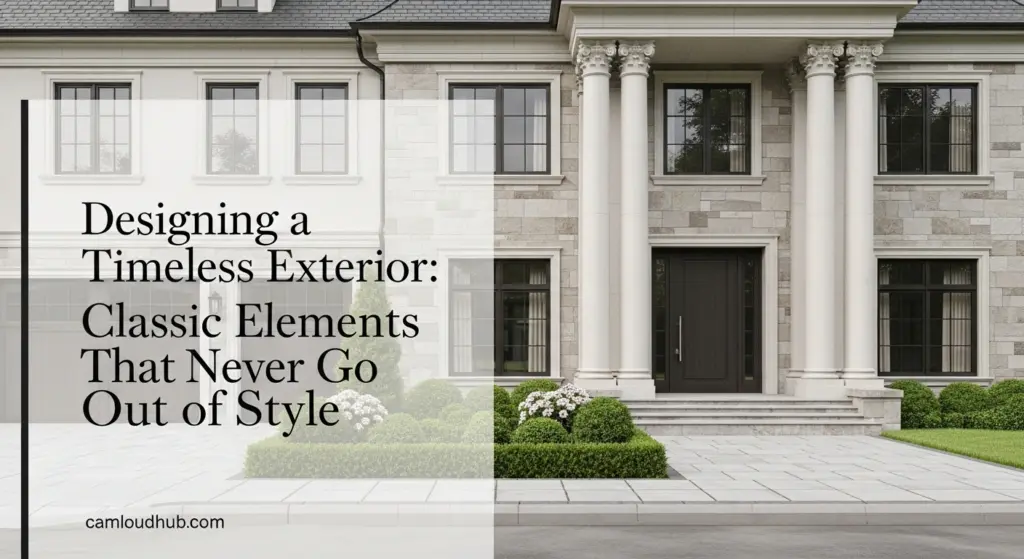
The size of the landscaping should be appropriate for the size of the yard. Overgrown trees can overwhelm the house, while sparse plantings can make the yard look bare. Pay attention to the scale and proportion of all elements when designing the exterior. Ensure that each element complements the others and contributes to a harmonious overall design. Using the right scale will enhance timeless exterior design.
Ignoring the Surrounding Environment
Ignoring the surrounding environment can result in an exterior that clashes with its surroundings. The exterior design should complement the natural landscape and the architectural style of neighboring homes. Consider the climate and weather conditions when selecting materials and colors. Choose materials that are appropriate for the local environment.
Avoid using colors or styles that are drastically different from those of neighboring homes. Blend the landscaping with the surrounding natural environment. Use native plants and natural materials whenever possible. Paying attention to the surrounding environment creates a sense of harmony and integration. A well-designed exterior should enhance the beauty of its surroundings and contribute to the overall aesthetic of the neighborhood. Designing with the environment in mind results in a timeless exterior design that fits naturally into its location.
Conclusion: Embracing Enduring Beauty
Designing a timeless exterior is about more than just aesthetics; it’s about creating a home that offers enduring beauty and lasting value. By understanding classic architectural styles, carefully selecting durable materials, and paying attention to detail, you can create an exterior that will stand the test of time. Remember to prioritize quality craftsmanship, embrace energy-efficient solutions and strike a balance between personal style and design principles that have proven their lasting appeal. Investing in a timeless exterior design is an investment in your home’s long-term beauty, functionality, and value.