
The Rise of Smart Exterior Home Technology 2025
Next-Level! Smart Exterior Home 2025 – The year 2025 heralds a new era for how we interact with our home’s exterior. From automated security systems to energy-efficient landscaping and personalized lighting, smart exterior home technology 2025 promises to redefine comfort, security, and sustainability. This technologically advanced home design approach focuses on seamlessly integrating devices and systems to create a more intuitive and responsive living environment. Expect to see features driven by Artificial Intelligence (AI), Machine Learning (ML), and the Internet of Things (IoT).
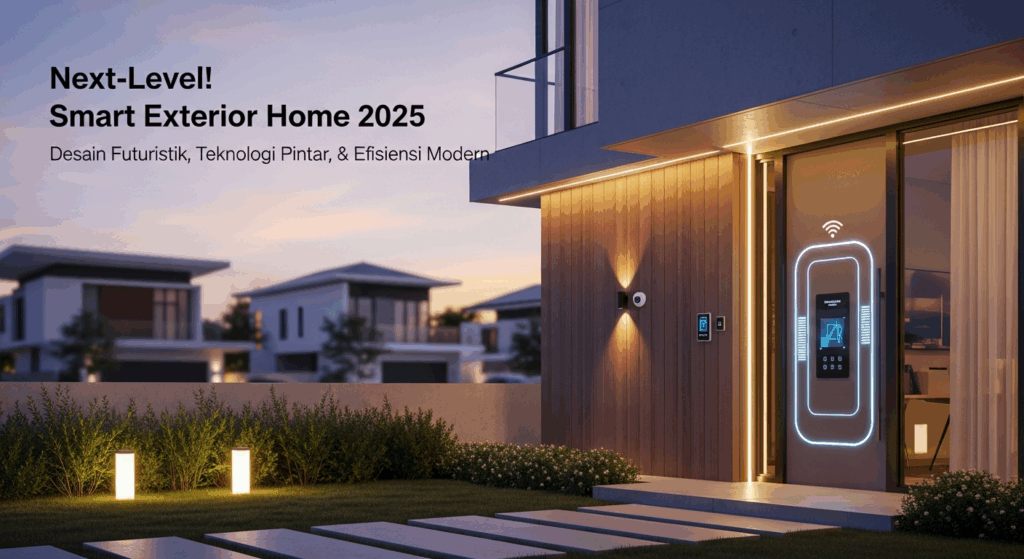
The key drivers behind this trend are the increasing sophistication and affordability of technology, coupled with a growing desire for energy conservation and enhanced security. Consumers are actively seeking ways to streamline their lives and protect their investments, making smart home technologies an increasingly appealing option.
Key Features of Smart Exterior Home Technology 2025
What specifically makes a home exterior “smart” in 2025? The key is the integration of diverse technologies. Several interconnected and automated elements define smart exteriors.
Advanced Security Systems
Gone are the days of simple alarm systems. Smart exterior home technology 2025 boasts sophisticated security measures that are proactive and intelligent. Think of it as a digital bodyguard constantly monitoring your property, inside and out.
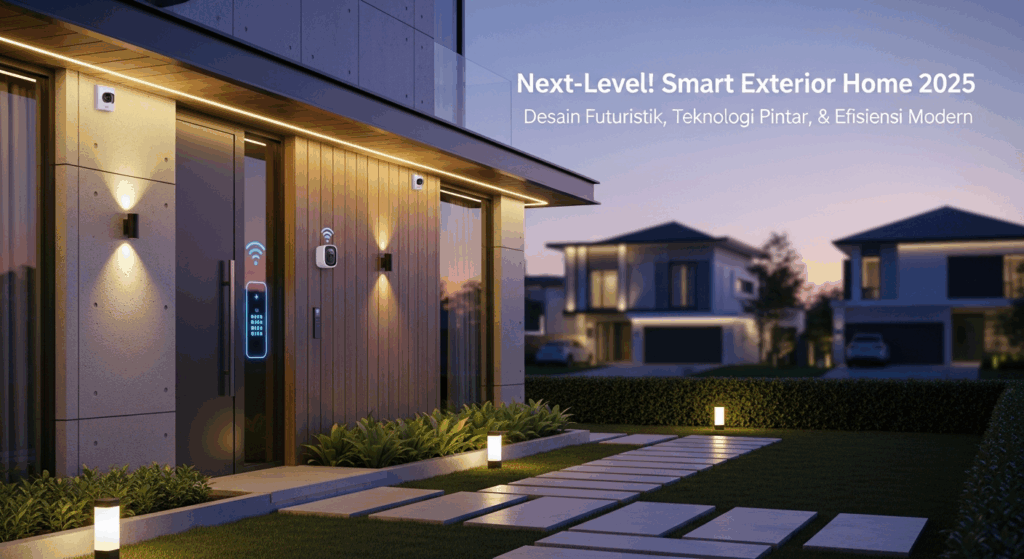
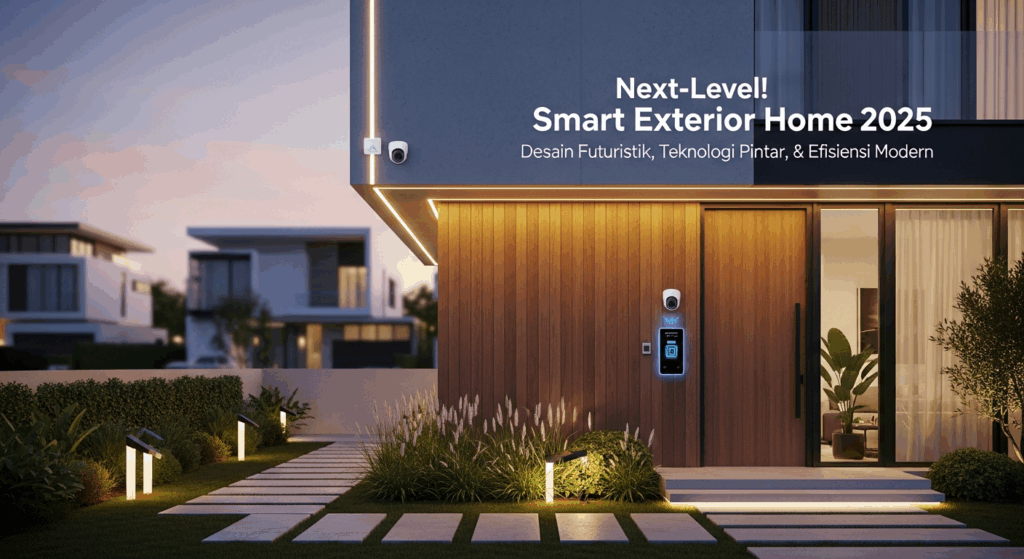
- AI-Powered Surveillance: Cameras equipped with AI can distinguish between humans, animals, and vehicles, reducing false alarms. They can also recognize faces and alert you to the presence of unfamiliar individuals. Imagine receiving a notification when a package is delivered and a visual confirmation that the delivery person is legitimate.
- Smart Locks and Access Control: Keyless entry systems are already common, but 2025 takes it a step further. Biometric scanners, personalized entry codes for family members and guests, and temporary digital keys managed remotely are the norm. You can even grant access to service providers for specific time slots and monitor their activity through integrated security cameras.
- Perimeter Defense Systems: Invisible laser grids or motion sensors can trigger alerts or activate deterrents like sprinklers or bright lights if an intruder approaches. Combine this with automated notifications to local law enforcement, and you have a formidable defense system.
- Integrated Drone Surveillance: While still emerging, drone technology could see wider use in 2025 for enhanced perimeter security. Autonomous drones can patrol your property on a schedule or be dispatched on demand to investigate suspicious activity. Controlled and compliant with regulations, drones offer a bird’s-eye view, enhancing security coverage.
Smart Landscaping and Irrigation
Maintaining a lush, healthy landscape can be time-consuming and wasteful. Smart exterior home technology 2025 offers solutions that automate irrigation, optimize plant health, and conserve water.
- Weather-Aware Irrigation: Smart irrigation systems use real-time weather data and soil moisture sensors to water your lawn and garden only when needed. This reduces water waste and promotes healthier plant growth. Predictive algorithms can even anticipate upcoming weather patterns and adjust watering schedules accordingly.
- Autonomous Lawn Care: Robot lawnmowers and weeders take the drudgery out of yard work. These devices can be programmed to operate on a schedule, avoiding obstacles and maintaining a perfectly manicured lawn with minimal effort.
- Smart Lighting for Landscaping: Energy-efficient LED lighting can be programmed to create stunning visual effects, enhance security, and highlight architectural features. Color-changing lights, individually addressable LEDs, and automated dimming functions allow for personalized ambience.
- Vertical Gardens and Green Walls: Integrate your garden into the architecture. Automated systems monitor and manage the health of these living walls. They offer aesthetic appeal, improve air quality, and contribute to energy efficiency by insulating the building.
Energy-Efficient Exterior Design
Sustainability is a key consideration for homeowners in 2025. Smart exterior home technology 2025 incorporates features that reduce energy consumption and minimize environmental impact.
- Smart Windows and Shading: Windows equipped with electrochromic glass can automatically adjust their tint based on the intensity of sunlight, reducing heat gain and glare. Automated shades and blinds can be programmed to respond to the sun’s position, maximizing natural light while minimizing energy consumption.
- Solar Panels and Energy Storage: Integrated solar panels are becoming increasingly common. Smart homes optimize energy usage by using excess solar power to charge batteries for later use, reducing reliance on the grid.
- Smart Home Energy Management System (SHEMS): Integrate all smart devices into a SHEMS that optimises overall consumption for maximum efficiency and cost savings. This also facilitates participation in smart grid programmes, allowing homeowners to sell excess power back to the grid.
- Insulated Siding and Roofing: Advanced materials improve the thermal performance. Smart siding and roofing use sensors to detect moisture and adjust heating or ventilation to prevent damage and optimize efficiency.
Entertainment and Outdoor Living
The exterior of a smart home is not just about functionality; it’s also about creating a comfortable and enjoyable outdoor living space.
- Outdoor Entertainment Systems: Weatherproof TVs, speakers, and projectors can transform your backyard into an entertainment hub. Integrate these systems with your smart home platform for seamless control.
- Smart Grills and Outdoor Kitchens: Grills with built-in sensors and automated cooking functions allow you to prepare meals with precision and ease. Smart outdoor kitchens can be equipped with refrigerators, sinks, and other appliances. All integrated into a single controlled system.
- Automated Patio and Deck Features: Retractable awnings, heated patios, and mosquito-repelling systems can enhance the comfort of your outdoor space. These features can be controlled remotely or programmed to respond to weather conditions.
- Personalized Lighting and Soundscapes: Using smart lighting and sound systems, create ambience and atmosphere to match any event or mood. Zone control allows for different settings throughout the outdoor area.
Connectivity and Control
At the heart of every smart exterior home technology 2025 is a robust and reliable connectivity network. This network allows all devices and systems to communicate with each other, and with you.
- High-Speed Wireless Network: A strong and secure Wi-Fi network is essential for connecting all your smart home devices. Mesh networks and Wi-Fi 6 technology ensure reliable coverage throughout your property.
- Centralized Control Hub: A smart home hub acts as the brain of your system, allowing you to control all your devices from a single interface. Voice control, mobile apps, and touch-screen panels provide convenient access to your smart home functions.
- Voice Control Integration: Voice assistants like Amazon Alexa and Google Assistant allow you to control your smart home devices with simple voice commands. Adjust the lighting, arm the security system, or water the lawn, all without lifting a finger.
- Remote Access and Monitoring: Monitor and control your smart home from anywhere in the world using a mobile app. Receive alerts, view security camera footage, and adjust settings remotely.
Benefits of Investing in Smart Exterior Home Technology 2025
The benefits of embracing smart exterior home technology 2025 are numerous and far-reaching, improving homeowners’ lives and adding significant value.
Enhanced Security and Safety
The most obvious benefit is the increased security and safety that comes with a smart home. Proactive security systems, advanced surveillance, and remote monitoring provide peace of mind and deter potential intruders.
Increased Energy Efficiency and Cost Savings
Smart home technologies can significantly reduce energy consumption and lower utility bills. Automated lighting, weather-aware irrigation, and smart thermostats help to conserve energy and water.
Improved Convenience and Comfort
Smart home devices automate many of the tasks associated with home maintenance, freeing up your time and allowing you to focus on more important things. Remote control, voice activation, and personalized settings enhance convenience and comfort.
Increased Home Value
A smart home is a more attractive and valuable property. As smart home technology becomes more mainstream, it is likely to become a standard feature that homebuyers expect.
Environmentally Friendly
Many smart home technologies, such as solar panels, smart irrigation, and efficient lighting, contribute to a more sustainable lifestyle. By reducing energy and water consumption, you can minimize your environmental impact and live a more eco-friendly life.
Challenges and Considerations for Smart Exterior Home Technology 2025
While the benefits of smart exterior home technology 2025 are compelling, there are also some challenges and considerations to keep in mind.
Cost
Smart home technology can be expensive, especially if you are retrofitting an existing home. However, the long-term cost savings associated with energy efficiency and reduced maintenance can offset the initial investment.
Complexity
Setting up and managing a smart home system can be complex, especially if you are not tech-savvy. It is important to choose a system that is user-friendly and provides adequate support.
Security and Privacy Risks
Smart home devices are vulnerable to hacking and data breaches. It is important to choose devices from reputable manufacturers and take steps to secure your network.
Interoperability
Not all smart home devices are compatible with each other. It is important to choose devices that use a common communication protocol or a universal hub.
Examples of Leading Smart Exterior Home Technology 2025
The market for smart exterior home technology 2025 is rapidly evolving, with numerous companies offering innovative products and solutions. Here are a few examples of emerging technologies:
Lidar-Based Security Systems
- How it works: Lidar (Light Detection and Ranging) creates detailed 3D maps of your property, detecting even subtle movements or changes.
- Benefits: More accurate than traditional motion sensors, reducing false alarms and providing more comprehensive security coverage.
Biometric Fence Access
- How it works: Fences integrated with biometric scanners that verify the identity of users before granting access.
- Benefits: Enhanced security preventing unauthorized entry while providing convenience to approved individuals.
Smart Permeable Paving
- How it works: Paving materials designed to allow rainwater to filter through them, reducing runoff and replenishing groundwater supplies. Integrate sensors that monitor water saturation for proactive flood control.
- Benefits: Environmentally friendly, supports sustainable water management, helps mitigate flood risks.
The Future Landscape of Smart Exterior Home Technology 2025
The future of smart exterior home technology 2025 is bright. Anticipate further innovations and integration. Technology will become more seamlessly integrated into homes, offering unprecedented convenience, security, and sustainability.
AI-Driven Automation
AI plays a pivotal role. It will enable homes to anticipate user needs and proactively manage exterior systems. Predictive maintenance, automated adjustments based on personal preferences, and intelligent resource allocation become standard.
Enhanced Integration with Smart Cities
Smart homes will be interconnected with smart city infrastructure. This allows for seamless data sharing and coordination to optimize resources and improve the quality of life for residents. Traffic management, energy grids, and public safety all work in sync.
Personalized Outdoor Experiences
Homeowners can customize their outdoor spaces like never before. Personalized lighting, soundscapes, and climate control can be automated using user profiles. This creates unique and tailored environments for every occasion.
Tips for Implementing Smart Exterior Home Technology 2025
Ready to embrace smart exterior home technology 2025? Before diving in, here are a few tips to help you plan and implement your smart home project:
Start with a Plan
Identify your needs and priorities. What are you hoping to achieve with smart home technology? Security? Energy efficiency? Outdoor entertainment? Create a plan that outlines your goals and budget.
Choose Compatible Devices
Ensure that the smart home devices you choose are compatible with each other and with your existing home systems. A universal hub or a common communication protocol can simplify integration.
Secure Your Network
Protect your smart home network with a strong password and consider using a firewall. Keep your devices updated with the latest software patches to prevent vulnerabilities.
Consider Professional Installation
Some smart home devices are easy to install yourself; others require professional installation. Hire a qualified installer to ensure that your devices are properly installed and configured.
Stay Informed
Stay up-to-date on the latest smart home trends and technologies. The market is constantly evolving, and new innovations are emerging all the time.
Addressing Safety Concerns with Smart Exterior Technology
As exciting as the innovations in smart exterior home technology 2025 are, safety remains a primary concern. These intelligent systems incorporate several features to address potential risks.
Data Privacy Measures
Reputable smart home companies invest in robust data encryption and security protocols to protect user privacy. Look for devices that offer end-to-end encryption. Transparent data usage policies are a plus.
Fail-Safe Mechanisms
Many smart devices include built-in fail-safe mechanisms in case of power outages or network failures. For example, smart locks may have backup keys or battery-powered operation.
Cybersecurity Safeguards
Smart home manufacturers are working to improve the cybersecurity of their devices. Regular software updates prevent vulnerabilities. Also, it important to choose devices with strong authentication protocols.
Testing and Certification
Reliable smart homes and their components undergo rigorous testing and certification processes to ensure they meet safety standards. Look for certifications from organizations like UL, CE, and others.
Responsible Usage
Ultimately, responsible usage is essential. Homeowners should educate themselves about the risks and best practices. These are using strong passwords, enabling multi-factor authentication, and staying up-to-date on security updates.
Conclusion
Smart exterior home technology 2025 is revolutionizing the way we interact with our homes. From enhanced security and energy efficiency to improved convenience and outdoor living, the possibilities are endless. While there are challenges to consider like cost, complexity, security and interoperability, the benefits far outweigh the drawbacks. By embracing these advanced technologies, you can create a home that is smarter, safer, more sustainable, and more enjoyable. Embrace the future and create a home exterior that is as intelligent as it is beautiful.