
The Evolution of Smart Home Technology Interior 2025
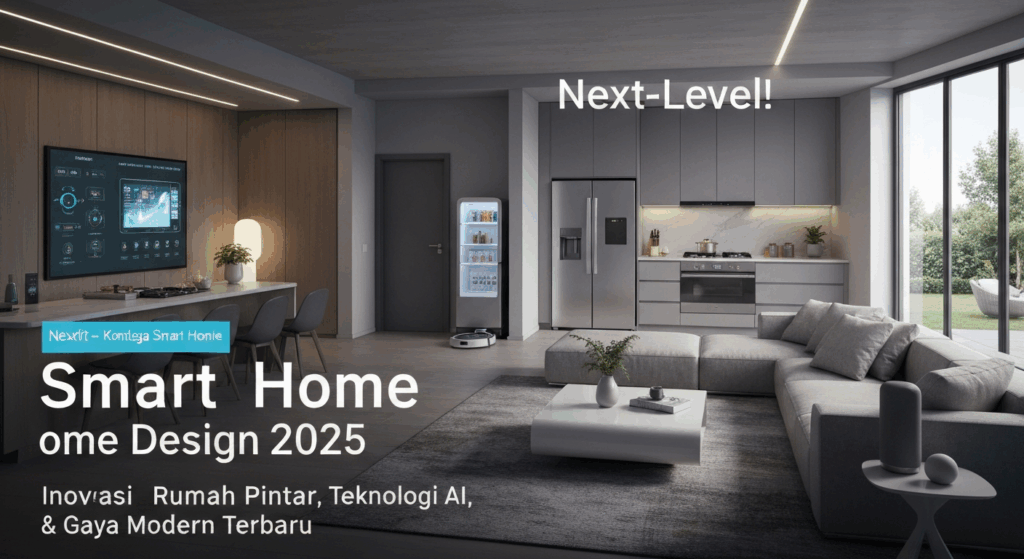
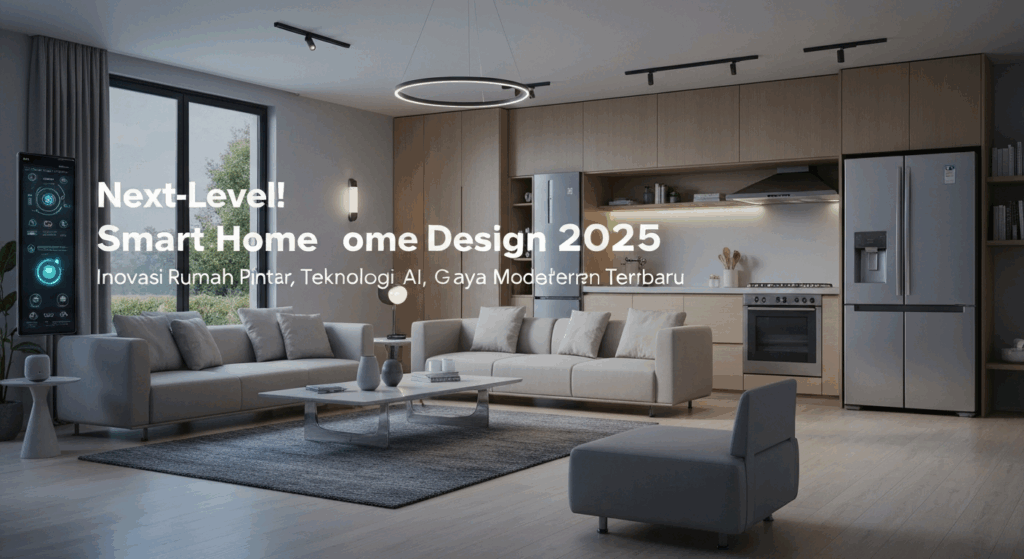
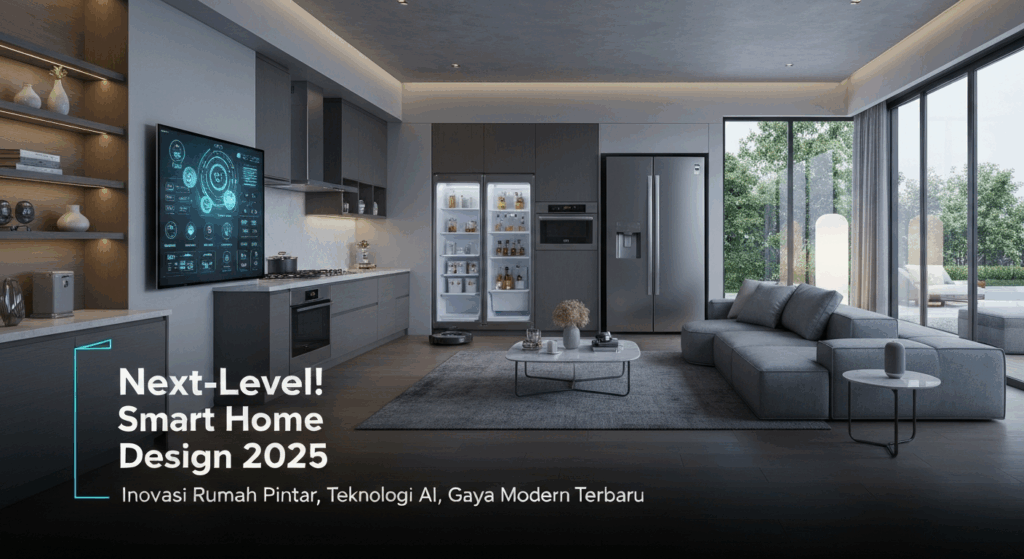
Next-Level! Smart Home Design 2025 – The landscape of smart home technology interior 2025 is vastly different from what we see today. It’s not merely about controlling lights with your voice or adjusting the thermostat remotely. It’s about creating holistic ecosystems where devices communicate and collaborate to provide proactive, personalized experiences. This evolution is driven by advancements in several key areas.
- Artificial Intelligence (AI) & Machine Learning (ML): Homes will learn your patterns and preferences, predicting your needs before you even realize them.
- Improved Connectivity (5G & Beyond): Faster and more reliable wireless networks will enable seamless communication between devices.
- Miniaturization & Integration: Components will become smaller and more easily integrated into furniture, walls, and appliances, leading to more aesthetically pleasing designs.
- Sustainability Focus: Smart homes will play a critical role in energy conservation and environmental responsibility.
- Heightened Cybersecurity: Security measures will be crucial to protect user data and prevent unauthorized access.
Key Features of Smart Home Design in 2025
Envisioning a smart home technology interior 2025 requires understanding the specific features that will define these spaces. These features go beyond simple automation, focusing instead on creating an integrated and responsive environment.
Personalized Comfort & Climate Control
Imagine a home that dynamically adjusts the temperature, lighting, and even air purification based on your individual preferences, the time of day, and even your current activity.
- Biometric Sensors: Monitoring your body temperature and heart rate to optimize comfort levels.
- Predictive Climate Control: Learning your preferred temperature settings for different times of day and activities.
- Zonal Heating & Cooling: Optimizing energy consumption by heating or cooling only occupied areas.
- Personalized Air Purification: Adjusting air filtration levels based on detected allergens or pollutants.
Intelligent Lighting Systems
Beyond simple dimming, expect lighting systems that adapt to your emotional state, circadian rhythm, and the ambiance you desire.
- Dynamic Color Temperature: Shifting from cool, energizing light in the morning to warm, relaxing hues in the evening.
- Mood-Based Lighting: Creating pre-programmed lighting scenes for relaxation, entertainment, or focus.
- Occupancy-Based Lighting: Automatically turning lights on or off in response to presence.
- Natural Light Optimization: Utilizing smart blinds and window tinting to maximize natural light while minimizing glare and heat gain.
Adaptive Security & Safety
Smart home technology interior 2025 emphasizes robust security systems which learn and adapt to potential threats, providing both safety and peace of mind.
- Facial Recognition Entry: Keyless entry systems that identify and grant access to authorized individuals.
- Predictive Security Monitoring: Analyzing data from sensors and cameras to identify and prevent potential security breaches.
- Integrated Emergency Response: Automatically contacting emergency services in the event of a fire, intrusion, or medical emergency.
- Advanced Leak Detection: Utilizing sensors to detect water leaks and automatically shut off the water supply.
Entertainment That Anticipates
Imagine a home entertainment system that learns your tastes and suggests new content based on your viewing history and mood.
- AI-Powered Content Recommendations: Suggesting movies, music, and other entertainment based on your preferences.
- Seamless Device Integration: Effortlessly controlling all your entertainment devices from a single interface.
- Immersive Audio & Visual Experiences: Creating customized soundscapes and visual displays to enhance your viewing or listening pleasure.
- Interactive Gaming Environments: Transforming your living room into a personalized gaming arena with adaptive lighting and sound effects.
The Role of AI in Shaping Smart Home Design
Artificial Intelligence isn’t just a component of the smart home technology interior 2025; it’s the central nervous system. AI is what allows the different components to work together seamlessly, learning your habits and anticipating your needs.
Learning Your Preferences
AI algorithms analyze your interactions with your smart home devices to build a detailed profile of your preferences. This includes everything from your ideal temperature settings to your favorite lighting schemes and entertainment choices.
Predictive Automation
Based on the data collected, AI can predict your needs and automate tasks accordingly. For example, if it knows you typically drink coffee at 7 AM, it can automatically start brewing a fresh pot.
Contextual Awareness
AI can understand the context of your current situation and adjust the settings of your smart home accordingly. For example, if it detects that you are working, it can automatically turn on task lighting and minimize distractions.
Smart Home Management & Troubleshooting
AI can even assist with managing and troubleshooting your smart home system. It can identify potential problems, suggest solutions, and even automatically resolve issues in some cases.
Sustainable Smart Home Design in 2025
Sustainability will be a core principle in smart home technology interior 2025. Homes will be designed to minimize their environmental impact and promote energy efficiency.
Smart Energy Management
AI-powered energy management systems will optimize energy consumption by adjusting the thermostat, lighting, and appliances based on real-time data.
- Peak Load Shaving: Reducing energy consumption during peak demand periods to lower your electricity bill.
- Renewable Energy Integration: Seamlessly integrating solar panels and other renewable energy sources into your home’s energy system.
- Energy Monitoring & Reporting: Providing detailed information about your energy consumption to help you identify areas for improvement.
Water Conservation
Smart water management systems will help you conserve water by detecting leaks, optimizing irrigation, and providing insights into your water usage patterns.
- Smart Irrigation Systems: Adjusting watering schedules based on weather conditions and soil moisture levels.
- Leak Detection & Prevention: Automatically shutting off the water supply in the event of a leak.
- Water Usage Monitoring & Reporting: Providing detailed information about your water consumption to help you identify areas for improvement.
Smart Waste Management
Smart waste management systems will help you reduce waste by optimizing recycling and composting efforts.
- Automated Sorting Systems: Sorting recyclable materials from trash.
- Composting Systems: Converting food scraps and yard waste into compost.
- Waste Tracking & Reporting: Providing detailed information about your waste generation to help you identify areas for improvement.
The Aesthetics of Smart Home Technology Interior 2025
Smart home technology interior 2025 won’t just be functional; it will be beautiful. Design will play a crucial role in seamlessly integrating technology into the living space, creating aesthetically pleasing and harmonious environments.
Invisible Technology
The trend will be towards “invisible technology,” where devices are seamlessly integrated into the architecture and furniture of the home, minimizing clutter and maximizing visual appeal.
Personalized Design
Smart homes will be highly personalized, reflecting the unique tastes and preferences of their occupants. AI will assist in creating customized design schemes that are both aesthetically pleasing and functional.
Biophilic Design
Biophilic design, which incorporates natural elements into the home, will become increasingly popular. This includes using natural light, ventilation, and materials, as well as incorporating plants and other natural elements into the décor.
Minimalist Design
Minimalist design, which emphasizes simplicity and functionality, will continue to be a popular choice for smart homes. This aesthetic focuses on maximizing space and minimizing clutter, creating a calm and relaxing environment.
Security and Privacy in the Smart Home of 2025
As homes become increasingly connected, smart home technology interior 2025 must address the growing concerns about security and privacy. Robust security measures will be essential to protect user data and prevent unauthorized access.
Enhanced Cybersecurity Protocols
Advanced encryption and authentication methods will be used to protect data transmitted between smart home devices and cloud servers.
- End-to-End Encryption: Ensuring that data is encrypted from the sender to the receiver, preventing eavesdropping.
- Two-Factor Authentication: Requiring users to provide two forms of identification to access their smart home systems.
- Regular Security Updates: Keeping smart home devices up-to-date with the latest security patches.
Data Privacy & Transparency
Consumers will demand greater transparency about how their data is collected, stored, and used. Companies will need to be more upfront about their data privacy policies and provide users with more control over their data.
- Data Anonymization: Removing personally identifiable information from data sets to protect user privacy.
- Data Minimization: Collecting only the data that is necessary for a specific purpose.
- User Consent: Requiring users to explicitly consent to the collection and use of their data.
Security Audits and Certifications
Independent security audits and certifications will help consumers assess the security and privacy of smart home devices.
- Third-Party Security Audits: Having independent security experts evaluate the security of smart home devices.
- Security Certifications: Obtaining certifications from recognized security organizations.
- Vulnerability Disclosure Programs: Encouraging security researchers to report vulnerabilities in smart home devices.
The Impact on Real Estate and Home Value
The integration of smart home technology interior 2025 will undoubtedly have a significant impact on the real estate market and home values.
Increased Home Value
Homes equipped with advanced smart home technology will command a premium in the real estate market. Buyers will be willing to pay more for homes that offer enhanced comfort, convenience, security, and energy efficiency.
Differentiation in the Market
Smart home technology will become a key differentiator between properties in the market. Homes with outdated or limited smart home features may be less attractive to buyers.
New Construction Standards
Building codes and construction standards will likely incorporate smart home technology requirements to ensure that new homes are equipped with the latest features.
Smart Home Renovation Trends
Homeowners will invest in smart home upgrades to increase the value of their properties and enhance their living experience.
Challenges and Considerations for Smart Home Adoption
Despite the numerous benefits of smart home technology interior 2025, there are also several challenges and considerations that need to be addressed to ensure widespread adoption.
Cost & Affordability
The cost of smart home technology can be a barrier to entry for some consumers. Making smart home technology more affordable and accessible is crucial for promoting widespread adoption.
Complexity & Integration
Integrating different smart home devices and platforms can be complex and challenging. Developing standardized protocols and user-friendly interfaces is essential for simplifying the smart home experience.
Cybersecurity Concerns
As mentioned before, security concerns remain a significant obstacle to smart home adoption. Addressing these concerns through enhanced cybersecurity measures and data privacy policies is crucial for building consumer trust.
Interoperability Issues
Incompatibility between different smart home devices and platforms can be frustrating for consumers. Promoting industry standards and interoperability is essential for creating a seamless smart home experience.
Power Outages and System Failures
Reliance on technology means that power outages or system failures can disrupt essential home functions. Backup power solutions and robust system redundancy are needed to mitigate these risks.
The Future of Smart Home Services
The future of smart home services extends far beyond simple installations. We’re talking about comprehensive, subscription-based models that provide ongoing support, maintenance, and even proactive optimization of your smart home technology interior 2025.
Subscription-Based Security Monitoring
Instead of just purchasing a security system, homeowners will subscribe to monitoring services that provide 24/7 surveillance, alerts, and emergency response. These services could include professional monitoring agents, AI-powered threat detection, and even drone-based security patrols.
Predictive Maintenance & Support
Imagine a service that proactively identifies potential problems with your appliances and smart home devices, sending technicians to fix them before they break down. This could involve remote diagnostics, automated software updates, and even drone-based inspections of your home’s exterior.
Personalized Home Optimization
These services will use AI to analyze your smart home data and identify opportunities to improve energy efficiency, comfort, and security. They could suggest changes to your heating and cooling settings, recommend new lighting schemes, or even optimize your security system based on real-time threat assessments.
Smart Home Concierge Services
Need someone to help you set up your new smart home devices or troubleshoot a technical problem? Smart home concierge services will provide on-demand support and assistance, from installing new equipment to configuring complex automations.
Designing for Aging in Place with Smart Home Technology
Smart home technology interior 2025 will play a crucial role in enabling seniors to age comfortably and safely in their own homes. It’s not just about convenience; it’s about maintaining independence and quality of life.
Fall Detection & Prevention
Smart home sensors can detect falls and automatically alert emergency services or family members. They can also monitor gait and balance to identify individuals at risk of falling and provide proactive interventions.
Medication Management
Smart medication dispensers can remind seniors to take their medications at the correct times and dosages, and can even alert caregivers if a dose is missed.
Remote Health Monitoring
Wearable sensors and smart home devices can track vital signs, activity levels, and sleep patterns, providing valuable data to doctors and caregivers. This enables remote monitoring of chronic conditions and early detection of health problems.
Voice-Activated Control
Voice-activated assistants can make it easier for seniors to control their smart home devices, such as lights, thermostat, and entertainment systems. This can be particularly helpful for individuals with mobility or vision impairments.
Smart Home Accessibility Features
From automated doors and ramps to adjustable countertops and appliances, smart home technology can make homes more accessible for individuals with disabilities.
The Ethical Considerations
With the rise of personalized and predictive technology inside our homes, ethical considerations rise as well. In what ways do we balance convenience and personalization with data privacy and security?
Addressing Bias in AI Algorithms
AI algorithms learn from data, and if that data reflects existing biases, the algorithms will perpetuate those biases. It’s crucial to ensure that AI algorithms used in smart homes are fair and unbiased, particularly in areas such as security and healthcare.
Conclusion
The smart home technology interior 2025 represents a paradigm shift in how we live and interact with our homes. It’s a future where technology anticipates our needs, enhances our well-being, and promotes sustainability. While challenges remain, the potential benefits of smart home technology are immense, promising a future where our homes are not just smart, but truly intelligent partners in our lives. The convergence of aesthetics, functionality, and intelligence will create living spaces that are both beautiful and beneficial, setting a new standard for modern living. As the technology continues to evolve, we can expect even more innovative and transformative applications of smart home technology interior 2025 to emerge, shaping the future of our homes and our lives.